Jamun (Java Plum) Benefits: Ayurvedic Uses for Blood Sugar, Digestion and Skin
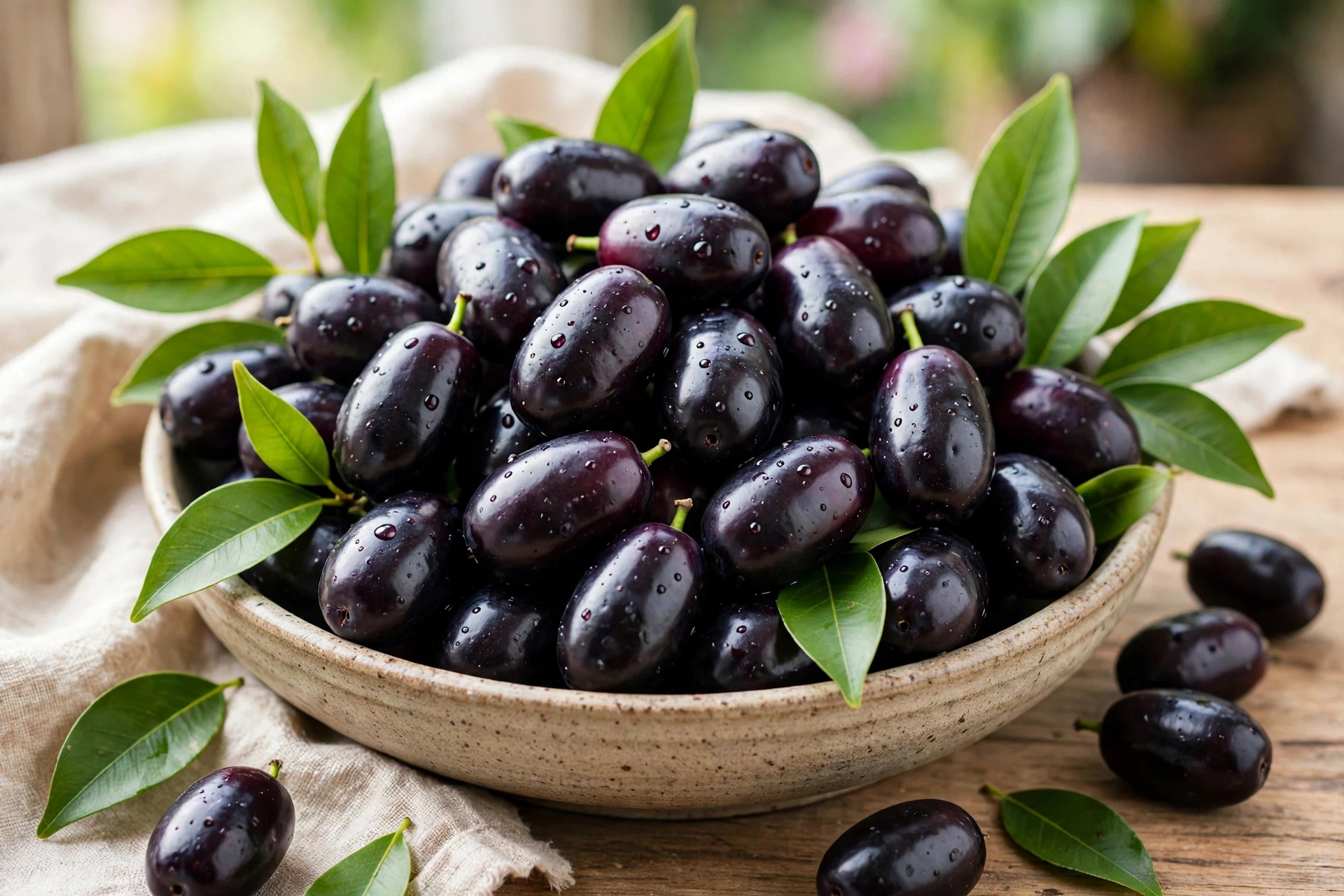
Jamun, the deep-purple Java plum (Syzygium cumini), is one of India’s most beloved monsoon fruits — and one of Ayurveda’s most trusted allies for metabolic balance. Its astringent taste, cooling nature, and famous seeds have earned it a place in both the kitchen and the classical pharmacy. This guide covers the traditional Ayurvedic uses of jamun for blood sugar support, digestion, and skin, plus how to use the fruit, seeds, and juice.
Jamun in Ayurveda: An Overview
In Ayurvedic terms, jamun is kashaya rasa (astringent) and madhura rasa (sweet) with a cooling potency (sheeta virya). It is traditionally described as balancing kapha and pitta doshas. The fruit, the seed, the bark, and even the leaves are all used in different preparations — but it is the seed that holds the greatest reputation in traditional metabolic care.
Classical texts mention jamun (jambu) for conditions involving excess sweetness in the urine — the ancient description of what we now call blood sugar imbalance. This long history is why jamun seed powder remains one of the most widely used Ayurvedic home preparations today.
Traditional Support for Blood Sugar Balance
The most celebrated traditional use of jamun is in supporting healthy blood sugar levels already within the normal range. Ayurvedic practitioners traditionally recommend jamun seed powder (jambu beeja churna) for this purpose.
Jamun Seeds vs Fruit
The fruit is sweet, juicy, and cooling — a pleasant seasonal food. The seeds, however, are intensely astringent and bitter, and it is the seeds that traditional practice values for metabolic support. The seeds contain compounds (including jamboline, traditionally credited with this action) that Ayurveda has prized for centuries. In practice: eat the fruit for enjoyment and general nutrition; use the dried, powdered seeds for targeted traditional support.
How Seed Powder Is Traditionally Used
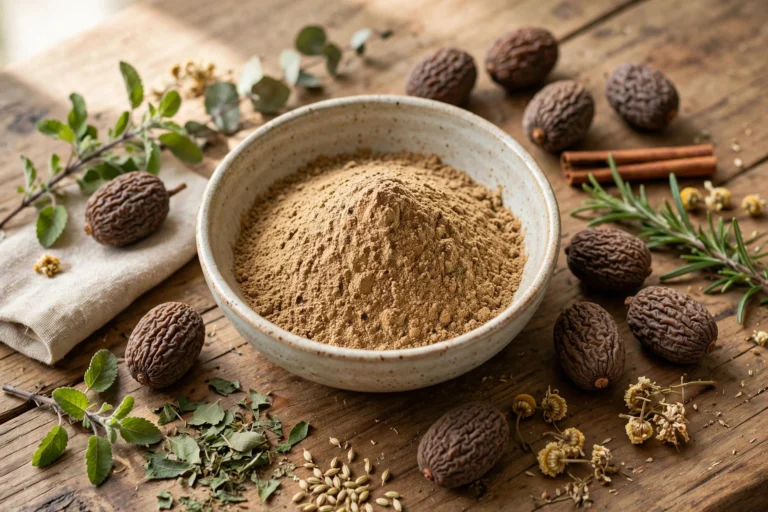
Dried jamun seeds are ground into a fine powder. A common traditional dose is half to one teaspoon (about 1–3 grams) taken with warm water, once or twice daily before meals. Many people also combine jamun seed powder with other traditional herbs such as gudmar (Gymnema sylvestre) and methi (fenugreek) in classical formulations. Anyone already taking blood-sugar medication must consult their doctor first, as combining approaches can push levels too low.
Jamun for Digestion
The astringent quality of jamun makes it traditionally useful for digestive comfort. In Ayurveda, astringent taste is said to tone and tighten tissues, which is why jamun preparations are traditionally used to support firm, comfortable digestion.
Easing Loose Motions
Jamun fruit, jamun seed powder, and decoctions of jamun bark are among the oldest traditional remedies for loose stools and digestive upset. A simple traditional preparation: a teaspoon of jamun seed powder with buttermilk, taken once or twice during episodes of digestive looseness.
Appetite and Gut Comfort
The ripe fruit is considered light and appetizing. Jamun vinegar (jamun ka sirka), a traditional fermented preparation, is used in small amounts as a digestive tonic — a teaspoon diluted in water before meals is the customary way to take it.
Jamun for Skin Health
In Ayurveda, skin health reflects the state of the blood (rakta dhatu) and digestion. Jamun’s cooling and astringent properties are traditionally used to support clear, comfortable skin.
- Internal use: Jamun juice and seed powder are traditionally taken to support skin clarity from within, particularly when skin issues are linked to heat or metabolic imbalance.
- External use: A paste of jamun seed powder with rose water is a traditional face pack for oily or blemish-prone skin. The astringent action is said to tighten pores and reduce excess oil.
- Jamun leaf rinse: A cooled decoction of jamun leaves is traditionally used as a mouth and skin rinse for its astringent, cleansing quality.
Forms of Jamun: Fruit, Juice, Powder, Vinegar
- Fresh fruit: Eat ripe jamuns in season (June–August). Sprinkle with a little black salt — a classic Indian way to enjoy them and aid digestion.
- Jamun juice: Fresh-pressed juice, traditionally taken in the morning. Commercial juices often contain added sugar — check labels or make it fresh.
- Seed powder (jambu beeja churna): Dried seeds ground fine; the traditional metabolic-support form.
- Jamun vinegar: Fermented traditional digestive tonic; use in small, diluted amounts.
- Bark decoction: Used traditionally for oral and digestive comfort; prepare under guidance.
Precautions
- Do not overdo the fruit: Eating large quantities of jamun on an empty stomach can cause heaviness or throat irritation in sensitive people; the fruit is best eaten in moderation.
- Blood sugar medication: If you take diabetes medication, consult your doctor before using jamun seed powder — the combination can lower blood sugar more than intended.
- Constipation: The astringent nature of jamun, especially the seed powder, can be constipating in excess. Keep doses modest and drink enough water.
- Pregnancy: The ripe fruit in normal food amounts is fine, but concentrated seed preparations should be discussed with a practitioner.
- Surgery: Because of its traditional effect on blood sugar, stop concentrated jamun preparations at least two weeks before scheduled surgery, and inform your doctor.
FAQs About Jamun
Which is better for blood sugar — jamun fruit or jamun seeds?
Traditional Ayurvedic practice favors the seeds for metabolic support: dried jamun seed powder is the classical preparation. The fruit is nutritious and cooling, but sweeter — so the seeds are the preferred form when blood sugar support is the goal.
How do I make jamun seed powder at home?
Collect seeds from ripe jamuns, wash them, and dry them completely in shade for several days until hard. Grind to a fine powder in a mixer-grinder and store in an airtight jar. It keeps for several months if kept dry.
Can jamun juice replace medication for diabetes?
No. Jamun is traditionally used to support healthy blood sugar as part of a balanced lifestyle — it is not a substitute for prescribed medication. Anyone with diabetes should work with their doctor and never adjust medication based on a home remedy.
Is jamun good for the skin?
Traditionally, yes — both internally and externally. Jamun seed powder paste with rose water is a classic Ayurvedic face pack for oily skin, while jamun juice is taken internally to support skin clarity. Patch-test any topical preparation first.
Disclaimer: This article is for general wellness information only and is not medical advice. Jamun preparations are traditional supports, not treatments for diabetes or any disease. Consult a qualified practitioner or doctor before use, especially if you take blood-sugar medication.