Mulethi (Licorice) Benefits: Ayurvedic Uses for Throat, Skin and Digestion
If you have ever been handed a small sweet stick to chew during a sore throat, you were tasting mulethi — licorice root, one of Ayurveda’s most beloved herbs. Used for thousands of years across Indian, Chinese, and Middle Eastern traditions, it is now drawing modern research interest too. This guide covers what mulethi is, how Ayurveda views it, its traditional uses for throat, digestion, skin, and stress, and the safety notes you need before trying it.
What Is Mulethi?
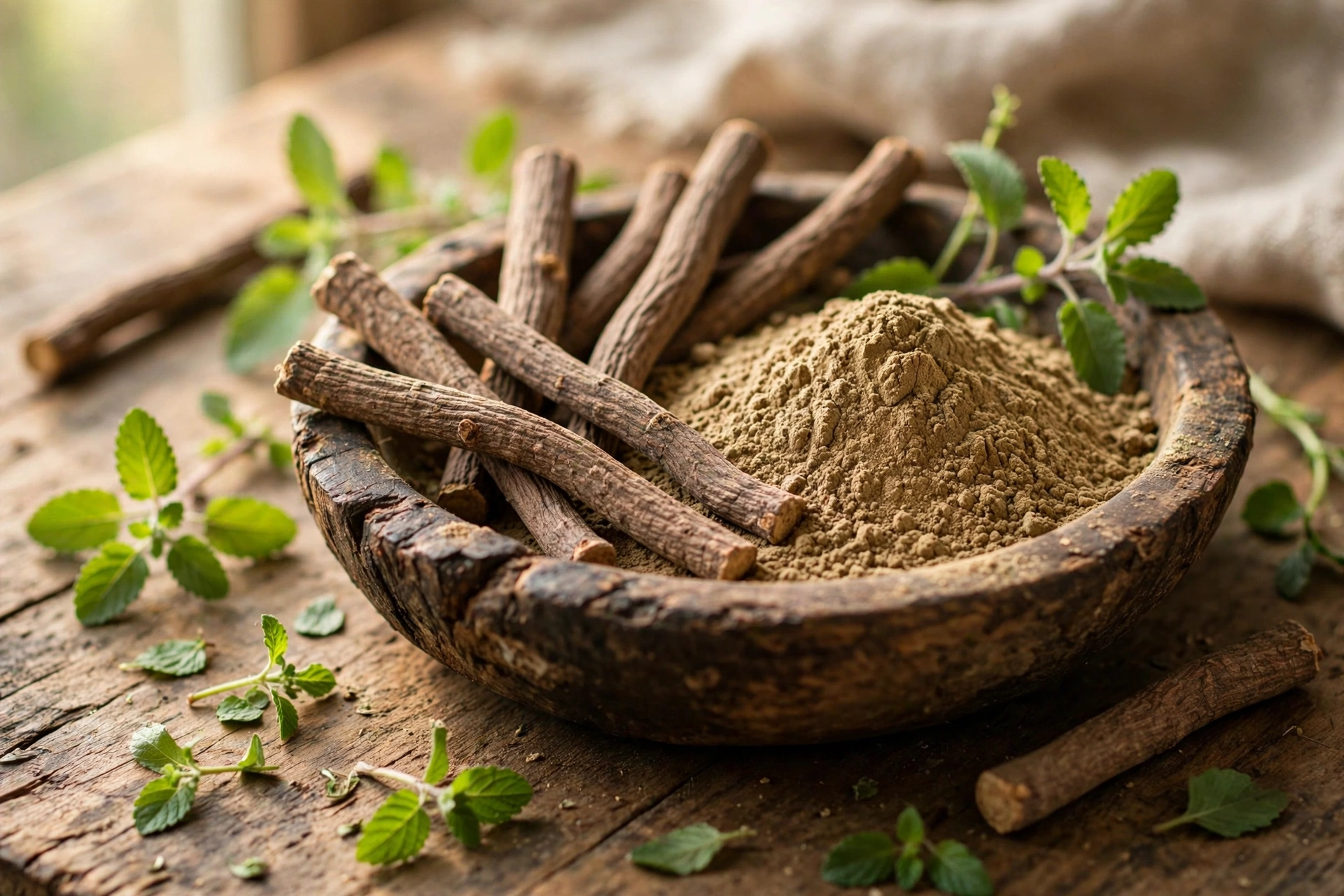
Mulethi is the dried root of Glycyrrhiza glabra, a legume plant native to the Mediterranean, Central Asia, and India. Its Sanskrit name combines madhura (sweet) and yasti (stick) — “sweet stick.” The sweetness comes from glycyrrhizin, a compound many times sweeter than table sugar.
In Ayurveda, mulethi is considered a rasayana — a rejuvenative herb thought to nourish the body’s tissues over time. It is sold as dried sticks, root pieces, and powder, and appears in countless classical formulas and modern herbal teas.
Ayurvedic Properties of Mulethi
Ayurveda describes every herb through its taste (rasa), energy (virya), and effect on the three doshas. Mulethi’s profile looks like this:
- Rasa (taste): Predominantly madhura (sweet), which is considered nourishing, soothing, and balancing for vata and pitta doshas.
- Guna (qualities): Heavy and unctuous — thought to calm dryness and irritation in the body.
- Virya (potency): Cooling, which is why it is traditionally recommended for heat-related complaints like acidity and skin irritation.
- Effect on doshas: Traditionally believed to pacify vata and pitta; excess may aggravate kapha.
Its sweet, cooling qualities are why Ayurvedic texts traditionally recommend it for the throat, stomach, and skin.
1. Soothes Sore Throat and Eases Cough
Chewing a small piece of mulethi root or sipping warm mulethi tea is a time-honored remedy for throat irritation. Practitioners believe its demulcent (coating) nature soothes irritated throat tissues, which may ease the dryness and tickling that trigger coughing.
Preliminary research has explored glycyrrhizin and related flavonoids for potential antimicrobial and anti-inflammatory activity in laboratory settings. Still, research is early — mulethi should not replace treatment for persistent throat infections, so see a doctor if a sore throat lasts more than a few days.
For a related respiratory-friendly herb, read our guide to tulsi (holy basil) benefits for immunity and stress.
2. Supports Digestion and May Calm Acidity
Ayurveda traditionally uses mulethi to cool an overheated digestive system. It is a common ingredient in formulas for acidity, heartburn, and occasional indigestion, where its cooling, coating qualities are believed to calm the stomach lining.
Researchers have also studied deglycyrrhizinated licorice (DGL) — licorice with most glycyrrhizin removed — for its potential role in supporting the stomach’s protective mucus layer. With the glycyrrhizin gone, DGL carries fewer of the blood-pressure concerns noted in the safety section below.
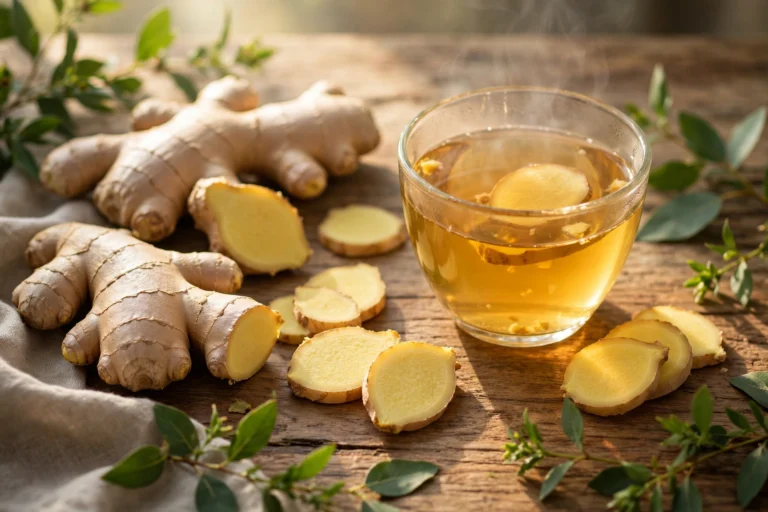
Mulethi also pairs well with other digestive herbs: try it alongside our ginger (adrak) guide for digestion and immunity for a warming-soothing combination.
3. Traditional Skin-Brightening and Soothing Uses
In Ayurvedic skin care, mulethi is prized for its brightening reputation. Traditional face packs combine mulethi powder with sandalwood or rose water to support an even-looking complexion. Preliminary laboratory research points to glabridin, a flavonoid in licorice root, as an inhibitor of tyrosinase — the enzyme involved in melanin production — which is the science behind its cosmetic use for the appearance of dark spots.
Its traditionally cooling nature also makes it popular in soothing masks for irritated skin. Patch-test first, and keep expectations realistic: herbal skin care works gradually and gently.
For more on Ayurvedic skin nutrition, see amla benefits for hair, skin, and immunity.
4. Traditional Use for Stress and Adrenal Support
In classical Ayurveda, mulethi is considered an adaptogenic-style rasayana — traditionally used to help the body cope with everyday stress and fatigue. Texts suggest it nourishes the nervous system and supports stamina during periods of exhaustion or recovery.
Preliminary laboratory research suggests glycyrrhizin may slow cortisol breakdown — the same mechanism behind some of mulethi’s cautions — so treat it as a reason for moderation, not megadosing.
How to Use Mulethi
Mulethi Tea or Kadha
Simmer 1 teaspoon of mulethi powder (or 2–3 inches of crushed root) in 2 cups of water for 8–10 minutes. Strain and sip warm, once or twice daily. Add a pinch of elaichi or a few tulsi leaves for extra flavor.
Mulethi Powder with Honey
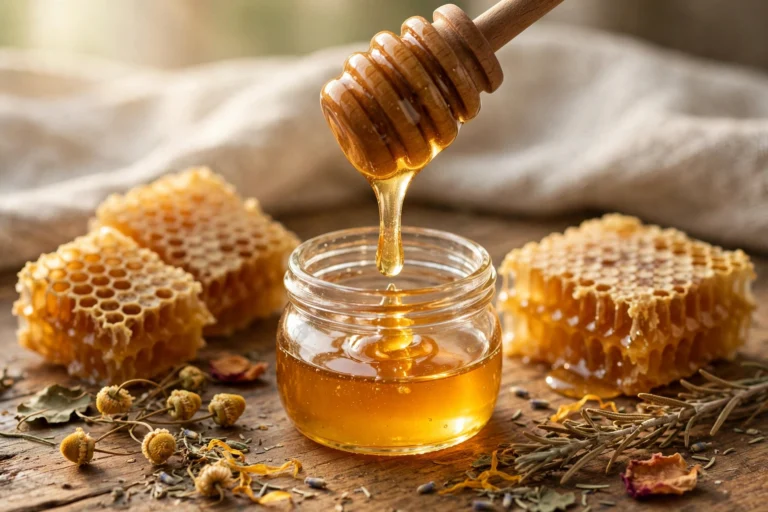
Mix ½ teaspoon of mulethi powder with 1 teaspoon of raw honey and take once daily — honey is traditionally considered a carrier (yogavahi) that helps deliver the herb’s qualities. See our honey (shahad) benefits guide.
Decoction (Kwath)
For a stronger brew, boil 1 tablespoon of crushed root in 4 cups of water until reduced to 1 cup. Strain and drink 30–50 ml once daily. Because this is concentrated, keep courses short (a few weeks) unless a practitioner advises otherwise.
Dosage Guidance
- Powder: 1–3 grams per day, traditionally taken with honey, ghee, or warm milk.
- Tea: 1–2 cups daily of a light brew for short periods (2–4 weeks).
- Decoction: 30–50 ml per day, short courses only.
These are traditional ranges, not prescriptions. Start low, and discuss use beyond a month with a qualified practitioner — especially if you take regular medication.
Safety Notes and Cautions
Mulethi is generally safe in culinary and short-term moderate amounts, but it carries real cautions:
- Blood pressure: Prolonged high doses of glycyrrhizin can raise blood pressure and lower blood potassium levels (a condition called pseudoaldosteronism). People with hypertension should use mulethi only under medical supervision.
- Medications: It may interact with blood-pressure drugs, diuretics, and corticosteroids. Tell your doctor if you use mulethi regularly.
- Pregnancy and breastfeeding: Avoid medicinal doses during pregnancy; high glycyrrhizin intake has been associated with concerns in pregnancy studies. Breastfeeding mothers should also avoid therapeutic amounts.
- Other cautions: People with kidney disease, heart conditions, or low potassium should avoid it unless a doctor approves.
Disclaimer: This article is for educational purposes only and is not medical advice. Mulethi is a traditional herbal remedy, not a proven treatment for any disease. If you have a health condition or take medication, consult a qualified doctor or Ayurvedic practitioner before using mulethi therapeutically.
Frequently Asked Questions
Is mulethi the same as licorice candy?
Mulethi is the raw licorice root used in Ayurveda. Most commercial licorice candy contains little real licorice extract — it is usually flavored with anise oil.
Can I drink mulethi tea every day?
Short courses of 2–4 weeks are the traditional norm. Daily, long-term use in large amounts can raise blood pressure and deplete potassium, so keep it moderate and take breaks.
Can children take mulethi?
Small culinary amounts in teas are generally considered fine, but medicinal doses are not recommended for children without guidance from a pediatrician or qualified practitioner.
What does mulethi taste like?
Distinctly sweet with an earthy, slightly woody finish — much sweeter than you would expect from a root. That sweetness comes from glycyrrhizin, not sugar.
Conclusion
Mulethi earns its place in the Ayurvedic cabinet: a sweet, cooling root traditionally used for sore throats, digestion, skin, and everyday stress. Used in moderation — and with respect for its cautions around blood pressure and pregnancy — it can be a gentle ally. As with every herb, check with your doctor first so you can enjoy it safely.