Curry Leaves (Kadi Patta) Benefits for Hair Growth and Digestion
Most Indian kitchens toss a handful of curry leaves (kadi patta) into the tadka without a second thought — but Ayurveda sees this humble leaf as a genuine medicine. Traditionally prized for strengthening hair and kindling digestion, curry leaves are rich in antioxidants, iron, calcium and B vitamins. Here is how to use them for hair growth, digestion and everyday wellness.
Curry Leaves in Ayurveda
Known in Sanskrit as kaidarya and in Ayurvedic texts as a herb that balances pitta and kapha, curry leaves are described as light, dry and heating — qualities that stimulate digestion and metabolism. They are traditionally used for hair care (keshya), digestive complaints and blood-sugar balance, and modern nutritional analysis supports their impressive mineral and antioxidant profile.
Curry Leaves for Hair Growth
Why They Work for Hair
Ayurveda regards curry leaves as keshya — beneficial for hair. They are traditionally believed to nourish hair roots, strengthen the hair shaft and delay premature greying. Their iron and beta-carotene content supports the scalp’s health, while antioxidants help protect hair follicles from damage.
How to Use Curry Leaves for Hair
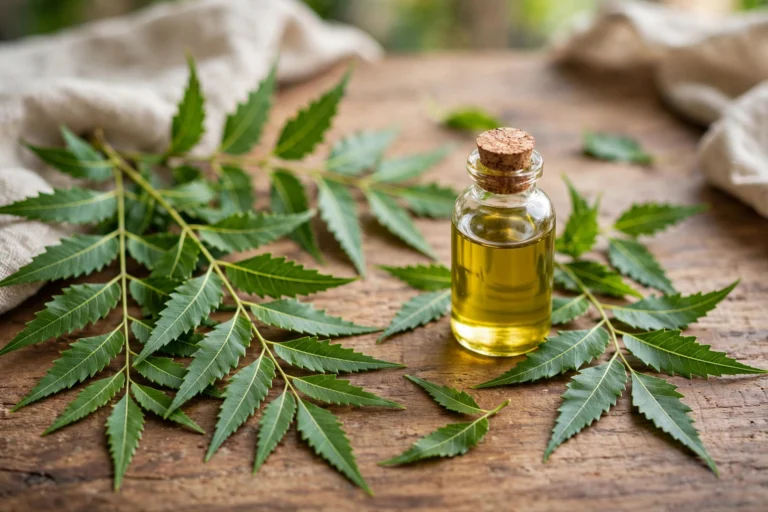
- Curry leaf hair oil: heat 1/2 cup coconut oil with a handful of fresh curry leaves until the leaves turn crisp and dark. Cool, strain and massage into the scalp 2–3 times a week. Leave for at least an hour (or overnight) before washing.
- Hair mask: grind fresh curry leaves with a little yoghurt into a paste, apply to the scalp for 30 minutes, then rinse.
- Eating them: chewing 8–10 fresh curry leaves each morning on an empty stomach is the traditional internal route to stronger hair — hair health in Ayurveda begins with nutrition.
Consistency over 2–3 months is key; hair grows in cycles, and no remedy shows results in a week.
Curry Leaves for Digestion
Curry leaves are deepana (appetite-stimulating) and pachana (digestive) in Ayurvedic terms. They are traditionally used to relieve indigestion, gas, bloating and mild nausea, and to support healthy bowel movements. Chewing fresh leaves or drinking curry leaf tea before meals is the classic way to wake up a sluggish digestive fire.
Curry Leaf Tea Recipe
- Boil 1 cup of water with 10–12 fresh curry leaves.
- Simmer for 5 minutes until the water takes on a light green colour.
- Strain, add a squeeze of lemon and a little honey (once lukewarm), and sip warm.
- Drink once daily, preferably in the morning or before lunch.
Other Health Benefits
- Blood sugar support: curry leaves are traditionally used in Ayurveda to support healthy blood-sugar levels; some modern studies suggest they may help improve insulin activity.
- Antioxidant protection: rich in flavonoids and phenolic compounds that help combat oxidative stress.
- Eye health: a good source of vitamin A and beta-carotene, traditionally linked to healthy vision.
- Cholesterol balance: traditional use and preliminary research point to a possible role in supporting healthy lipid levels.
- Nausea relief: the aroma and taste of fresh curry leaves are a traditional remedy for morning queasiness.
How to Use Curry Leaves in Cooking
The easiest way to get their benefits is the way India already does it:
- Temper 8–10 leaves in hot oil or ghee at the start of dals, curries, chutneys and rice dishes.
- Add fresh leaves to buttermilk or chaas with roasted cumin and salt.
- Blend dried, powdered curry leaves into spice mixes or sprinkle over salads.
- Chew 8–10 fresh leaves each morning — the most direct traditional dose.
Dosage and Precautions
- Typical traditional dose: 8–10 fresh leaves daily (eaten raw or as tea), or 1–2 teaspoons of dried leaf powder.
- People on blood-sugar-lowering medication should monitor their levels, as curry leaves may enhance the effect — consult a doctor first.
- Pregnant women should keep to normal culinary amounts; therapeutic doses need a practitioner’s guidance.
- Curry leaves are generally safe in food quantities, but they are a supplement to — not a substitute for — medical treatment of hair loss or digestive disease. Persistent hair fall or digestive symptoms deserve professional evaluation.
- For significant medical conditions, consult a qualified Ayurvedic practitioner rather than self-prescribing.
Frequently Asked Questions
Do curry leaves really regrow hair?
Curry leaves nourish the scalp and strengthen existing hair, and traditional use links them to reduced hair fall and delayed greying. They cannot regrow hair on fully bald patches or reverse genetic hair loss, so keep expectations realistic and be consistent for at least 2–3 months.
Can I use dried curry leaves instead of fresh?
Yes, though fresh leaves are considered more potent in Ayurveda. Dried leaves and powder work well in hair oil and cooking; for chewing or tea, fresh leaves are preferable when available.
How long does curry leaf hair oil take to show results?
Most people notice less hair fall and improved texture within 6–8 weeks of regular use (2–3 times a week). Visible improvement in hair density typically needs 3 months or more of consistent application.
Are there side effects of eating curry leaves daily?
In normal food amounts, curry leaves are very safe. Excessive quantities may cause digestive discomfort in sensitive individuals. Those on diabetes medication should watch their blood sugar, as the leaves may lower it further.
Can curry leaves help with dandruff?
Their antimicrobial and antioxidant properties make curry leaf oil a traditional remedy for flaky, itchy scalps. Massaging the oil in regularly and keeping the scalp clean usually improves mild dandruff, though severe cases may need medical treatment.