
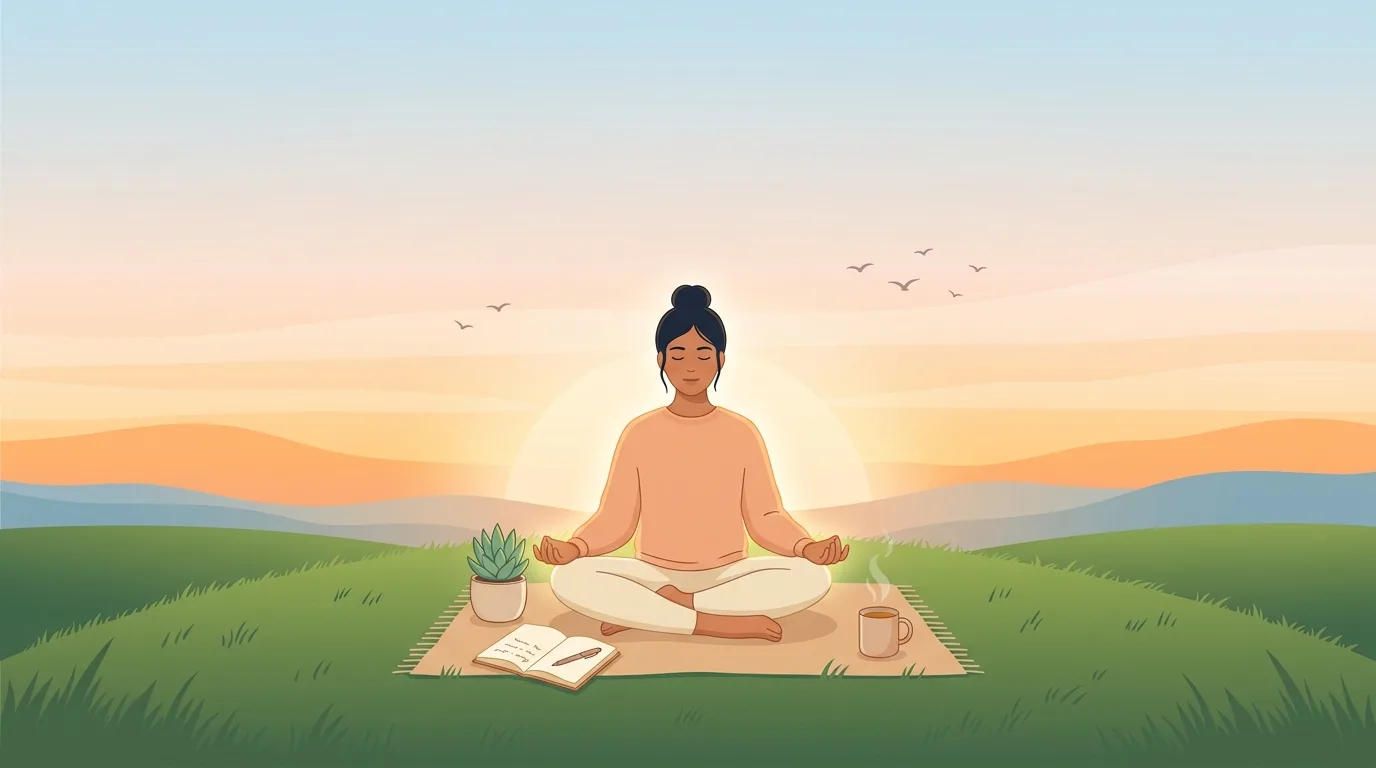
How to Boost Mental Health Naturally: Practical Tips for Everyday Life
Mental health affects how you think, feel, and handle everyday life. Yet with busy schedules, constant notifications, and mounting stress, it’s easy to put your mental well-being on the back burner. The good news is that you don’t need drastic changes to feel better. Small, consistent habits can make a real difference in how you think, feel, and cope with life’s challenges. This article explores natural, science-backed ways to boost your mental health and build lasting resilience.
What Is Mental Health and Why Is It Important?
Mental health refers to your emotional, psychological, and social well-being. It shapes how you think, feel, and act, and it influences how you handle stress, relate to others, and make decisions. Good mental health isn’t just the absence of a mental illness—it’s a state of overall wellness that allows you to function, cope, and thrive.
Taking care of your mental health matters because it’s closely tied to your physical health, relationships, and productivity. Chronic stress and unmanaged emotional struggles can contribute to issues like high blood pressure, weakened immunity, and sleep problems. On the other hand, strong mental health helps you build better relationships, perform well at work or school, and enjoy a higher overall quality of life.
How to Boost Mental Health Naturally
The good news is that mental health isn’t fixed. It can be strengthened over time through simple, natural lifestyle choices. From how you sleep and move your body to how you connect with others, everyday habits play a powerful role in shaping your mental state. Below are practical, natural strategies that can help you build a healthier mind, step by step.
Get Enough Quality Sleep
Sleep and mental health are deeply connected. Poor sleep can worsen anxiety, irritability, and difficulty concentrating, while consistent, restful sleep helps regulate mood and supports emotional resilience.
To improve your sleep quality, try to go to bed and wake up at the same time each day, even on weekends. Create a calming bedtime routine, such as reading or dimming the lights, and avoid caffeine or heavy meals close to bedtime. Keeping your bedroom cool, dark, and quiet can also make a noticeable difference in how well you rest.
Exercise Regularly
Physical activity isn’t just good for your body—it’s one of the most effective natural mood boosters available. Exercise releases endorphins, the brain’s feel-good chemicals, and helps reduce symptoms of anxiety and depression.
You don’t need an intense workout routine to see benefits. A brisk 30-minute walk, a bike ride, a dance session, or even light stretching can improve your mood and energy levels. The key is consistency rather than intensity, so choose an activity you enjoy and can stick with over time.
Eat a Healthy and Balanced Diet
What you eat directly impacts how you feel. Diets high in processed foods and sugar have been linked to increased rates of anxiety and depression, while nutrient-rich foods support better brain function and emotional stability.
Focus on incorporating whole foods such as vegetables, fruits, lean proteins, whole grains, and healthy fats like those found in nuts, seeds, and fish. Staying hydrated is equally important, as even mild dehydration can affect concentration and mood. Try to limit excessive caffeine and alcohol, which can disrupt sleep and increase feelings of anxiety.
Manage Stress Effectively
Some stress is a normal part of life, but chronic, unmanaged stress can take a serious toll on mental health. Learning how to manage stress effectively can help prevent burnout and emotional exhaustion.
Simple techniques like deep breathing exercises, journaling, or breaking large tasks into smaller, manageable steps can reduce feelings of overwhelm. It also helps to identify your personal stress triggers and develop healthy coping strategies, such as taking short breaks throughout the day or practicing time management.
Stay Connected With Family and Friends
Human connection plays a vital role in emotional well-being. Strong social ties provide support during difficult times and contribute to a sense of belonging and purpose.
Make time to nurture your relationships, whether that means a weekly phone call with a family member, coffee with a friend, or simply checking in with someone you care about. If you’re feeling isolated, consider joining a club, community group, or class that aligns with your interests to meet like-minded people.
Practice Mindfulness and Relaxation
Mindfulness involves paying attention to the present moment without judgment. Practicing mindfulness can help reduce anxiety, improve focus, and increase emotional regulation.
You can start small by dedicating just five to ten minutes a day to mindfulness meditation, guided breathing exercises, or simply sitting quietly and observing your thoughts. Relaxation techniques such as progressive muscle relaxation or gentle yoga can also help calm the nervous system and ease mental tension.
Spend Time Outdoors
Nature has a calming and restorative effect on the mind. Studies show that spending time outdoors can lower stress hormones, improve mood, and boost feelings of overall well-being.
Whether it’s a walk in the park, gardening, or simply sitting outside during your lunch break, exposure to natural light and green spaces can make a meaningful difference. Even a few minutes outdoors each day can help clear your mind and reset your perspective.
Limit Social Media and Screen Time
While technology keeps us connected, excessive screen time and social media use have been linked to increased anxiety, poor sleep, and lower self-esteem. Constant comparison and information overload can leave you feeling mentally drained.
Consider setting boundaries, such as designated screen-free times during meals or before bed. Turning off non-essential notifications and being mindful of how certain platforms make you feel can help you use technology in a way that supports, rather than harms, your mental health.
Develop Healthy Daily Habits
Small, consistent habits build the foundation for long-term mental wellness. Establishing a daily routine, even a simple one, can create a sense of structure and stability.
Try incorporating habits like starting your day with a few minutes of quiet reflection, practicing gratitude by writing down a few things you’re thankful for, or setting realistic daily goals. Over time, these small actions add up and can significantly improve your overall mental resilience.
When Should You Seek Professional Help?
While natural strategies can be highly effective, they aren’t always enough on their own. It’s important to recognize when professional support may be necessary. If you experience persistent sadness, overwhelming anxiety, difficulty functioning in daily life, or thoughts of self-harm, it’s essential to reach out to a mental health professional.
Therapists, counselors, and psychiatrists can offer personalized strategies, support, and, when needed, treatment options tailored to your specific situation. Seeking help is a sign of strength, not weakness, and early intervention often leads to better outcomes.
Final Thoughts on Improving Mental Health
Boosting your mental health naturally doesn’t require a complete lifestyle overhaul. By focusing on small, sustainable changes, such as better sleep, regular movement, balanced nutrition, and meaningful connections, you can build a stronger foundation for emotional well-being over time. Remember that progress isn’t always linear, and it’s okay to take things one step at a time.
If you find that natural strategies aren’t providing enough relief, don’t hesitate to seek support from a mental health professional. Taking care of your mind is just as important as taking care of your body, and every small step you take matters.
This article is for informational purposes only and is not a substitute for professional medical or psychological advice. If you are experiencing a mental health crisis, please reach out to a qualified professional or local emergency services.