Flaxseed (Alsi) Benefits in Ayurveda: Uses for Digestion, Heart and Hormonal Health
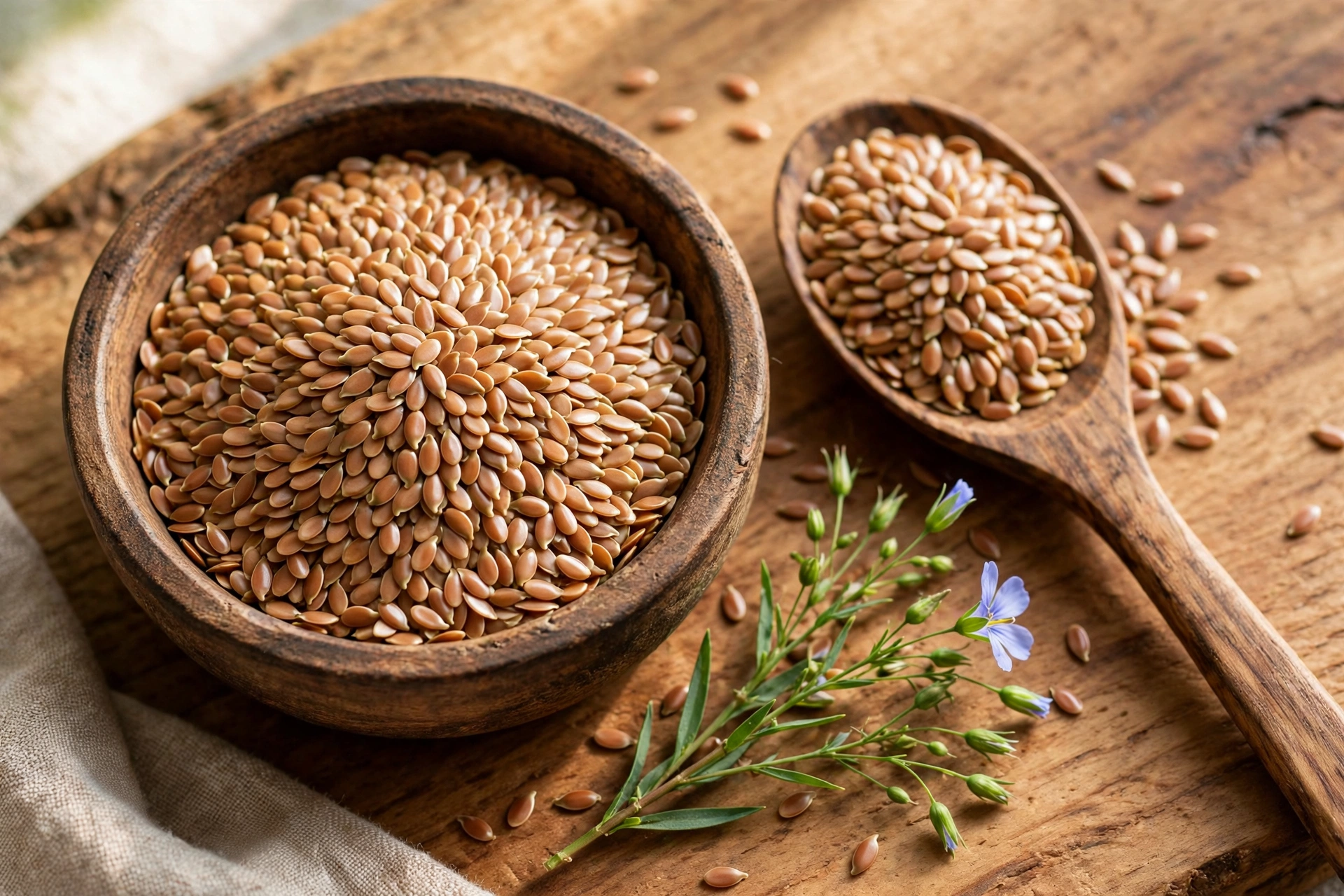
Flaxseed, known as alsi in Hindi and Urdu, is one of the oldest cultivated plants in the world, and Ayurveda has used it for centuries as both food and medicine. These small, glossy brown or golden seeds come from the flax plant (Linum usitatissimum) and are one of the richest plant sources of omega-3 fatty acids, lignans, and soluble fibre. In Ayurveda, flaxseed is considered warming, nourishing, and slightly oily, making it especially useful for balancing Vata dosha. This guide covers the benefits of flaxseed in Ayurveda, its uses for digestion, heart health, and hormonal balance, and practical ways to include it in your daily routine.
What Is Flaxseed in Ayurveda?
Ayurveda describes flaxseed as guru (heavy) and snigdha (unctuous or oily), with a sweet taste and a heating effect after digestion. These qualities make it a natural choice for dryness, constipation, and stiffness, all signs of aggravated Vata. Flaxseed is also considered a mild rejuvenator that supports strength and stamina when taken regularly in the right amount.
Nutritionally, flaxseed is impressive. Just one tablespoon provides alpha-linolenic acid (ALA), a plant-based omega-3 fat, along with lignans, plant compounds with antioxidant and hormone-balancing activity, and both soluble and insoluble fibre. It also supplies magnesium, manganese, and small amounts of protein. This nutrient mix explains why modern research and ancient wisdom agree so often about flaxseed.
Flaxseed Benefits for Digestion
Digestive health is where flaxseed shines most clearly. When soaked in water, flaxseed forms a gel-like mucilage that soothes the gut lining and helps food move smoothly through the intestines. This makes it a gentle, natural remedy for constipation, one of the most common Vata complaints.
Flaxseed for Constipation and Regularity
The soluble fibre in flaxseed absorbs water and softens the stool, while the insoluble fibre adds bulk and encourages regular bowel movements. Unlike harsh laxatives, flaxseed works gradually and supports the gut rather than irritating it. For best results, take ground flaxseed with plenty of water, since fibre without enough fluid can make constipation worse.
Flaxseed for Bloating and Gut Comfort
Flaxseed’s mucilage also coats and calms an irritated digestive tract, which may ease bloating and mild acidity. Ayurveda pairs it with warming spices such as ginger or cumin to keep digestion strong, since flaxseed alone is heavy and can feel sluggish for people with weak digestion. Roasting the seeds lightly before grinding improves both flavour and digestibility.
Flaxseed Benefits for Heart Health
Heart health is another area where flaxseed has strong support from both tradition and research. The ALA omega-3 fats help reduce inflammation in the blood vessels, while the soluble fibre helps lower LDL cholesterol by binding to cholesterol in the gut and carrying it out of the body.
How Flaxseed Supports the Heart
Regular flaxseed intake has been linked in studies to modest reductions in blood pressure and cholesterol, two major risk factors for heart disease. The lignans add antioxidant protection, helping to prevent damage to artery walls. Ayurveda frames this differently, saying flaxseed nourishes rasa dhatu (the plasma tissue) and keeps the channels of circulation clear, but the practical advice is the same: a daily tablespoon of ground flaxseed is a simple, food-based step toward a healthier heart.
For heart support, ground flaxseed is better than whole seeds, because whole seeds often pass through the gut undigested. Grind them fresh and add them to porridge, smoothies, yoghurt, or chapati dough. Flaxseed oil is another option, but it should never be heated, as high temperatures destroy the omega-3 fats.
Flaxseed Benefits for Hormonal Health
Flaxseed is particularly valued for women’s hormonal health. Its lignans are phytoestrogens, plant compounds that can weakly mimic or moderate the action of oestrogen in the body. This balancing effect is why flaxseed is traditionally recommended for menstrual irregularity, premenstrual discomfort, and menopausal symptoms such as hot flushes.
Flaxseed for Menstrual and Menopausal Support
Many women find that a daily tablespoon of ground flaxseed helps ease breast tenderness, mood swings, and irregular cycles over a few months. During menopause, lignans may soften hot flushes and night sweats by gently supporting oestrogen activity as natural levels fall. Flaxseed also supports hormonal health indirectly, since its fibre helps the body clear excess hormones through the gut, and its healthy fats are building blocks for hormone production.
How to Use Flaxseed at Home
1. Ground Flaxseed in Breakfast
Grind one tablespoon of flaxseed and stir it into oatmeal, porridge, yoghurt, or a smoothie. This is the easiest daily habit and the best way to absorb its nutrients. Grind only a week’s supply at a time and store it in an airtight container in the fridge.
2. Flaxseed Water for Digestion
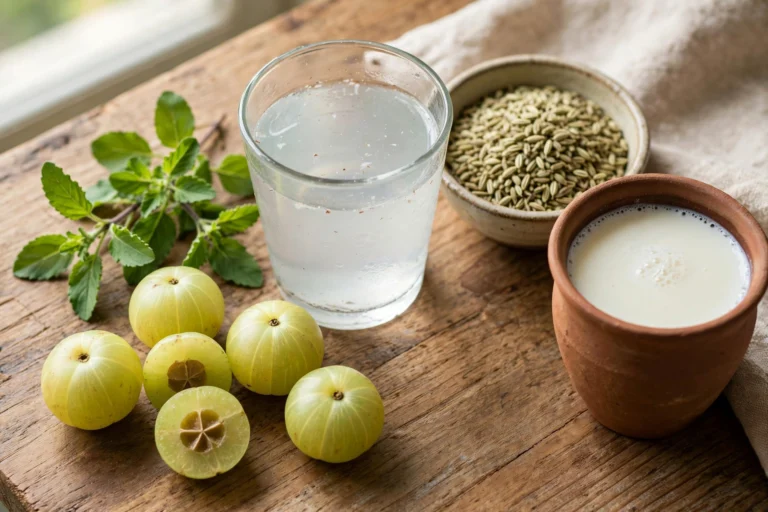
Soak one tablespoon of whole flaxseed in a glass of water overnight. In the morning, drink the gel-like water, or blend the soaked seeds into a smoothie. This is a gentle remedy for constipation and dryness.
3. Roasted Flaxseed Powder (Alsi Powder)
Dry-roast flaxseed in a pan until it crackles, cool, and grind with a pinch of rock salt and cumin. Sprinkle over salads, rice, or vegetables. This traditional preparation improves digestion and adds a nutty flavour to meals.
4. Flaxseed in Breads and Baking
Add ground flaxseed to chapati dough, muffins, or pancakes. A tablespoon or two per batch adds fibre and healthy fats without changing the taste much. Do not use flaxseed oil for cooking at high heat.
Safety and Precautions
Flaxseed is safe for most people in food amounts of one to two tablespoons per day, but a few points matter. Always drink enough water with flaxseed, since its fibre needs fluid to work well. People with low blood pressure, bleeding disorders, or those taking blood-thinning medicines should check with a doctor, as flaxseed can slightly affect clotting. Pregnant women should avoid large medicinal doses of flaxseed or concentrated lignan supplements, though normal food amounts are generally considered fine. Buy whole seeds and grind them fresh, because ground flaxseed goes rancid quickly at room temperature. People with a weak digestive fire should prefer roasted, ground flaxseed over raw whole seeds.
Frequently Asked Questions
Should I eat flaxseed whole or ground?
Ground is better. Whole seeds often pass through undigested, so you miss most of the omega-3 fats and lignans. Grind fresh and store in the fridge.
How much flaxseed per day is safe?
One to two tablespoons of ground flaxseed per day is a standard food-level amount. More than that can cause bloating or loose stools.
Can flaxseed help with menopause symptoms?
Many women report fewer hot flushes and steadier moods with daily flaxseed, thanks to its lignans, but results take several weeks and vary from person to person.
Can I cook with flaxseed oil?
No, flaxseed oil should not be heated. Use it cold, drizzled over salads or cooked food after it leaves the stove, and keep it refrigerated.
Flaxseed is a humble seed with an outsized role in Ayurvedic nutrition. For digestion, heart health, and hormonal balance, few foods offer so much in a single tablespoon. Start with a small daily amount, grind it fresh, drink enough water, and let alsi become a quiet, steady part of your routine.