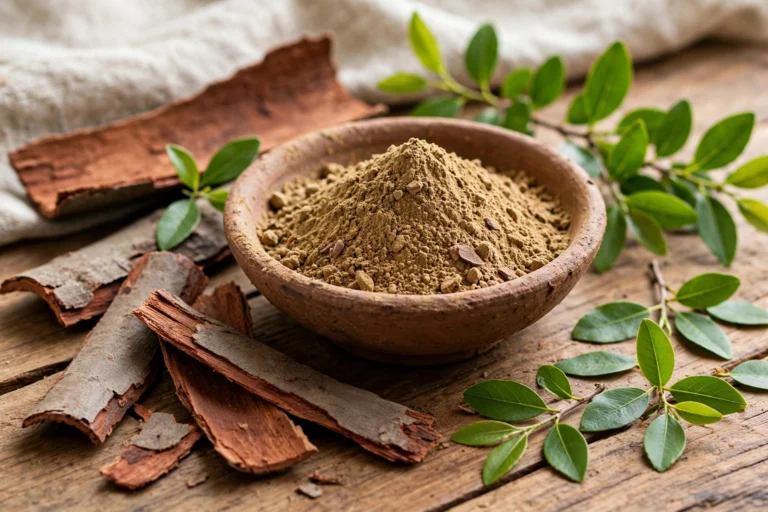

Ashwagandha Benefits: How This Ancient Herb Reduces Stress and Boosts Energy
In today’s fast-paced world, chronic stress, fatigue, and poor sleep quality have become common struggles. While modern medicine often treats symptoms in isolation, Ayurveda offers a holistic, time-tested approach to restoring bodily balance. Among the most revered adaptogenic herbs in Ayurvedic medicine is Ashwagandha (Withania somnifera), famously referred to as “Indian Ginseng.”
What is Ashwagandha?
In Sanskrit, the word Ashwa means horse, and Gandha means smell—symbolizing both the traditional fragrance of the root and its ability to impart the strength, vitality, and stamina of a stallion. In classical Ayurvedic texts like the Charaka Samhita, Ashwagandha is classified as a Rasayana (rejuvenative tonic) that promotes longevity and balances the Vata and Kapha doshas.
Top Health Benefits of Ashwagandha
1. Reduces Cortisol and Chronic Stress
As an adaptogen, Ashwagandha modulates your endocrine system and the hypothalamic-pituitary-adrenal (HPA) axis. Clinical studies show that regular supplementation significantly reduces serum cortisol levels, helping your body withstand psychological and physical stressors without feeling drained.
2. Promotes Deep, Restorative Sleep
The Latin species name somnifera translates to “sleep-inducing.” The active compound triethylene glycol found in Ashwagandha helps calm neural excitation, facilitating deeper REM and non-REM sleep cycles without the grogginess associated with synthetic sleep aids.
3. Boosts Physical Stamina and Muscle Recovery
Ashwagandha supports muscle protein synthesis, enhances oxygen consumption (VO2 max), and lowers exercise-induced muscle damage. Whether you are an athlete or simply looking to combat daily lethargy, this herb supports sustained energy reserves.
4. Supports Hormonal Balance and Thyroid Health
Research indicates that Ashwagandha helps stimulate thyroid hormone secretion (particularly T4 to T3 conversion) and supports healthy testosterone and reproductive vitality in men, while helping manage mood swings and adrenal exhaustion in women.
How to Take Ashwagandha for Maximum Absorption
- Traditional Ashwagandha Moon Milk: Mix 1/2 teaspoon of organic Ashwagandha churna (root powder) into a warm cup of milk (dairy or almond), add a pinch of nutmeg and cardamom, and sweeten with raw honey. Consume 30 minutes before bedtime.
- Tablets or Extract Capsules: Look for standardized root extract (containing 2.5% to 5% withanolides). A typical dose ranges from 300 mg to 600 mg daily.
Ayurvedic Tip: Always take Ashwagandha with an Anupana (vehicle) such as warm milk or ghee to ensure deep tissue nourishment (Dhatu Poshan).
Precautions and Who Should Consult a Doctor
While generally safe for most adults, pregnant or nursing mothers, individuals with autoimmune conditions (such as rheumatoid arthritis or lupus), or those scheduled for surgery should consult a qualified Ayurvedic physician before starting supplementation.
Frequently Asked Questions (FAQ)
How long does it take for Ashwagandha to work?
Most individuals notice subtle improvements in sleep quality within 7 to 10 days, while significant reductions in stress and enhancements in physical stamina typically manifest after 4 to 8 weeks of consistent usage.
Can I take Ashwagandha on an empty stomach?
It is generally best taken after meals or at bedtime with warm milk to prevent mild gastrointestinal discomfort.