Mustard Oil (Sarson Tel) Benefits in Ayurveda: Uses for Massage, Hair and Joint Health
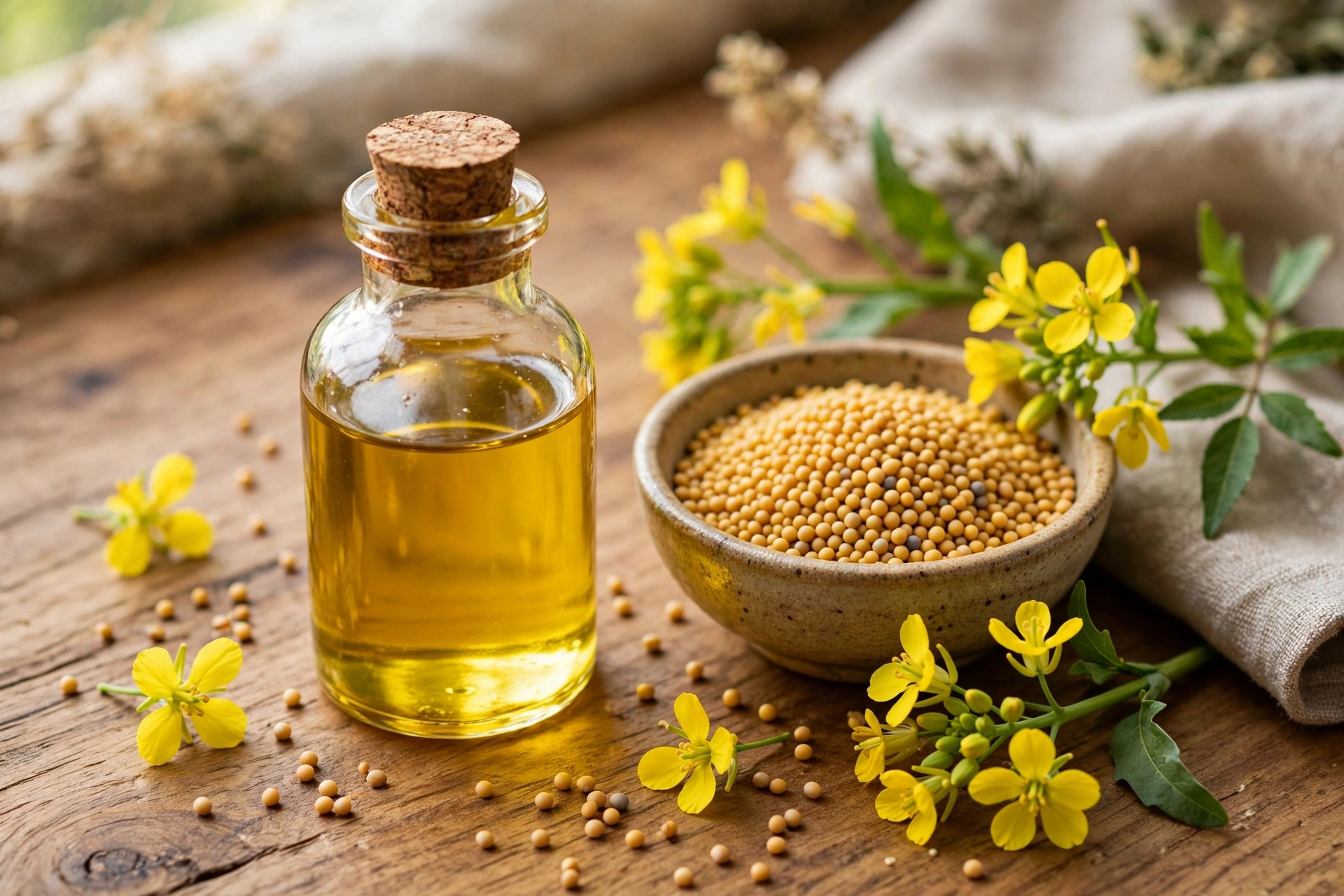
Mustard oil, known as sarson tel in Hindi and Urdu, is one of the most distinctive oils in South Asian kitchens and Ayurvedic practice. Pressed from the seeds of the mustard plant (Brassica juncea), it has a sharp, pungent aroma and a golden colour that sets it apart from milder cooking oils. In Ayurveda, mustard oil is prized as a warming, penetrating oil that stimulates circulation, loosens stiffness, and supports the skin and hair. It has been used for centuries for massage, cooking, and hair care, especially in North India, Bengal, and Punjab. This guide explores the benefits of mustard oil in Ayurveda, its traditional uses for massage, hair, and joint health, and how to use it safely.
What Is Mustard Oil in Ayurveda?
Ayurveda describes mustard oil as ushna (hot) and tikshna (sharp and penetrating), with a pungent taste. These qualities make it excellent for balancing Kapha and Vata doshas, both of which involve coldness, heaviness, and stagnation. Mustard oil is believed to open the body’s channels (srotas), improve circulation, and drive warmth deep into the tissues, which is why it is the classic oil for winter massage and joint care.
Nutritionally, mustard oil contains monounsaturated and polyunsaturated fats, including omega-3 and omega-6 fatty acids, along with allyl isothiocyanate, the compound responsible for its pungent kick. It also has natural antibacterial and antifungal properties. Traditionally, mustard oil was always used in its cold-pressed (kachi ghani) form, and Ayurvedic practitioners still prefer this unrefined version over refined oil.
Mustard Oil Benefits for Massage
Massage, or abhyanga, is a central Ayurvedic practice, and mustard oil is one of the most popular oils for it, especially in cold weather. Its warming nature makes it ideal for people who feel cold easily, have stiff muscles, or suffer from sluggish circulation.
Why Mustard Oil Is Ideal for Abhyanga
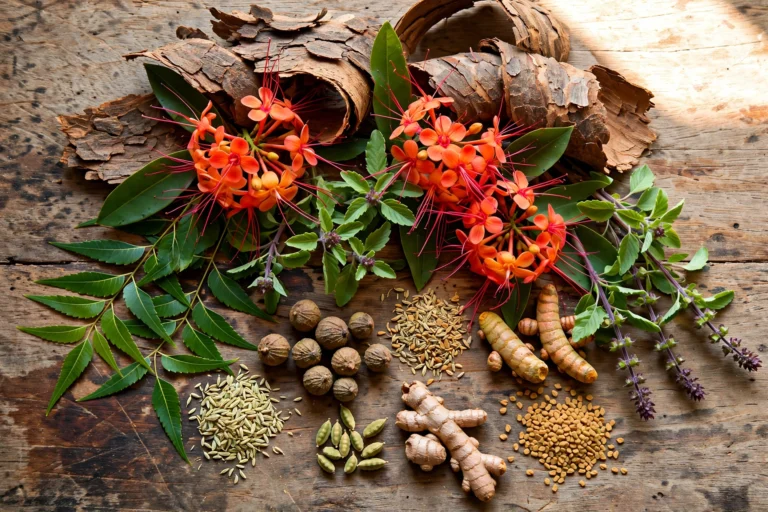
When massaged into the skin, mustard oil creates a gentle warming sensation that relaxes muscles, improves blood flow, and helps the body release tension. In many North Indian households, babies and elders alike receive a mustard oil massage in winter, a tradition believed to build strength, warmth, and immunity. The oil is often infused with garlic, ajwain (carom seeds), or turmeric before massage, which adds to its warming and anti-inflammatory effect.
Mustard Oil Benefits for Hair
Mustard oil is a traditional hair tonic across South Asia, famous for promoting thick, dark, and healthy hair. Its high content of omega-3 fatty acids, iron, and antioxidants nourishes the scalp, while its stimulating nature improves blood circulation to the hair follicles.
Mustard Oil for Hair Growth and Thickness
Regular scalp massage with mustard oil is believed to strengthen hair roots, reduce hair fall, and add natural shine. Many people mix it with coconut oil to soften its intensity and improve its smell. A weekly routine of warming the oil, massaging it in, and leaving it for an hour before washing can gradually improve hair texture and thickness.
Mustard Oil for Premature Greying and Dandruff
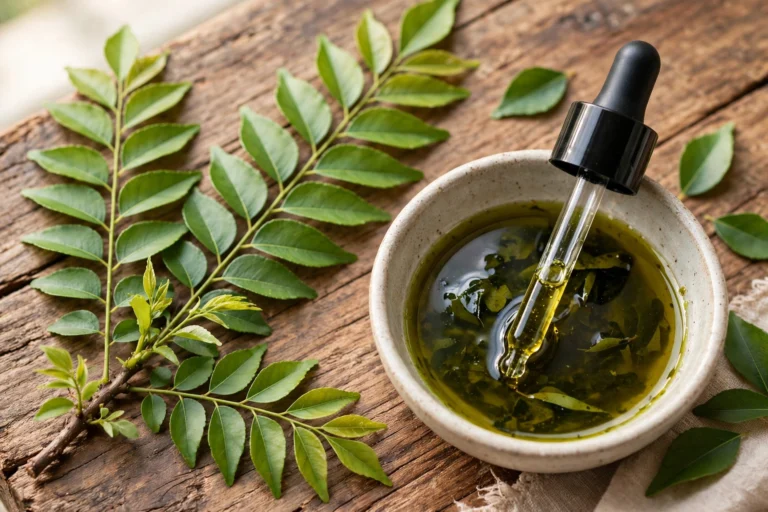
Traditional practice credits mustard oil with delaying premature greying, since it is rich in minerals that support hair pigment. Its antifungal properties may also help reduce dandruff and scalp irritation. Boiling mustard oil with curry leaves or fenugreek seeds before use is a popular home preparation for both concerns.
Mustard Oil Benefits for Joint Health
Joint pain linked to cold, damp weather, or Vata imbalance is one of the classic indications for mustard oil in Ayurveda. Its penetrating warmth is believed to reach deep into the joints, reduce stiffness, and ease discomfort from arthritis and general aches.
How Mustard Oil Eases Joint Pain
Massaging warm mustard oil into painful joints improves local blood flow, which helps clear the stagnation that Ayurveda associates with pain and stiffness. The allyl isothiocyanate in the oil acts as a mild counter-irritant, creating warmth that distracts from deeper pain, similar to how modern warming balms work. For stronger effect, the oil is often heated with garlic cloves until they turn golden, then cooled and massaged into the affected joint.
How to Use Mustard Oil at Home
1. Warm Mustard Oil Massage
Warm two to three tablespoons of mustard oil, optionally with two crushed garlic cloves or a teaspoon of ajwain. Test the temperature on your wrist, then massage into the body or affected joints using slow, firm strokes. Leave for 20 to 30 minutes, then bathe with warm water. Use once or twice a week, or daily in winter for joints.
2. Mustard Oil Hair Treatment
Mix equal parts mustard oil and coconut oil. Warm gently, massage into the scalp for five to ten minutes, leave for at least one hour, then wash with a mild shampoo. Repeat once a week. For extra nourishment, boil the oil with a handful of curry leaves first and strain before use.
3. Mustard Oil for Joint Pain
Heat mustard oil with garlic cloves until golden, cool to a comfortable warmth, and massage into the painful joint for ten minutes. Cover with a warm cloth afterwards to hold the heat. Repeat daily during cold weather or flare-ups.
4. Mustard Oil in Cooking
Heat the oil until it just begins to smoke, then cool slightly before adding spices and ingredients. This traditional step reduces pungency and is considered essential in Ayurvedic cooking. Use in moderation as part of a varied diet.
Safety and Precautions
Mustard oil is powerful, so a few precautions are essential. Its heating nature means people with high Pitta, skin inflammation, or acidity should use it sparingly and never apply it undiluted to irritated skin. Always do a patch test before a full massage, and dilute with coconut or sesame oil for sensitive skin, babies, or first-time use. Do not apply mustard oil to broken skin, open wounds, or near the eyes. For cooking, use only food-grade, cold-pressed mustard oil from a trusted source, and avoid excessive daily intake, since it is high in erucic acid. Pregnant women should avoid strong mustard oil massages on the abdomen. If joint pain is severe, swollen, or persistent, see a doctor rather than relying on oil massage alone.
Frequently Asked Questions
Can I apply mustard oil directly to my skin?
Yes, but test a small area first. Mustard oil is strong, so many people prefer mixing it with coconut or sesame oil, especially for babies or sensitive skin.
Does mustard oil really help hair growth?
It can support healthier, thicker-looking hair by improving scalp circulation and nourishment, but it cannot regrow hair on bald patches or replace medical treatment for hair loss.
Is mustard oil safe for cooking?
Food-grade, cold-pressed mustard oil is widely used in South Asian cooking. Heat it to smoking point first, and use it in moderation as part of a balanced diet.
Can mustard oil cure arthritis?
No, it cannot cure arthritis, but warm mustard oil massage can ease stiffness and discomfort and is a useful part of supportive joint care.
Mustard oil is one of Ayurveda’s most versatile remedies: a massage oil, a hair tonic, a joint-care aid, and a cooking staple all in one bottle. Used with respect for its strength, it brings warmth, circulation, and nourishment exactly where the body needs them most.