Hibiscus (Gudhal) Flower Benefits for Hair Growth: Ayurvedic Uses
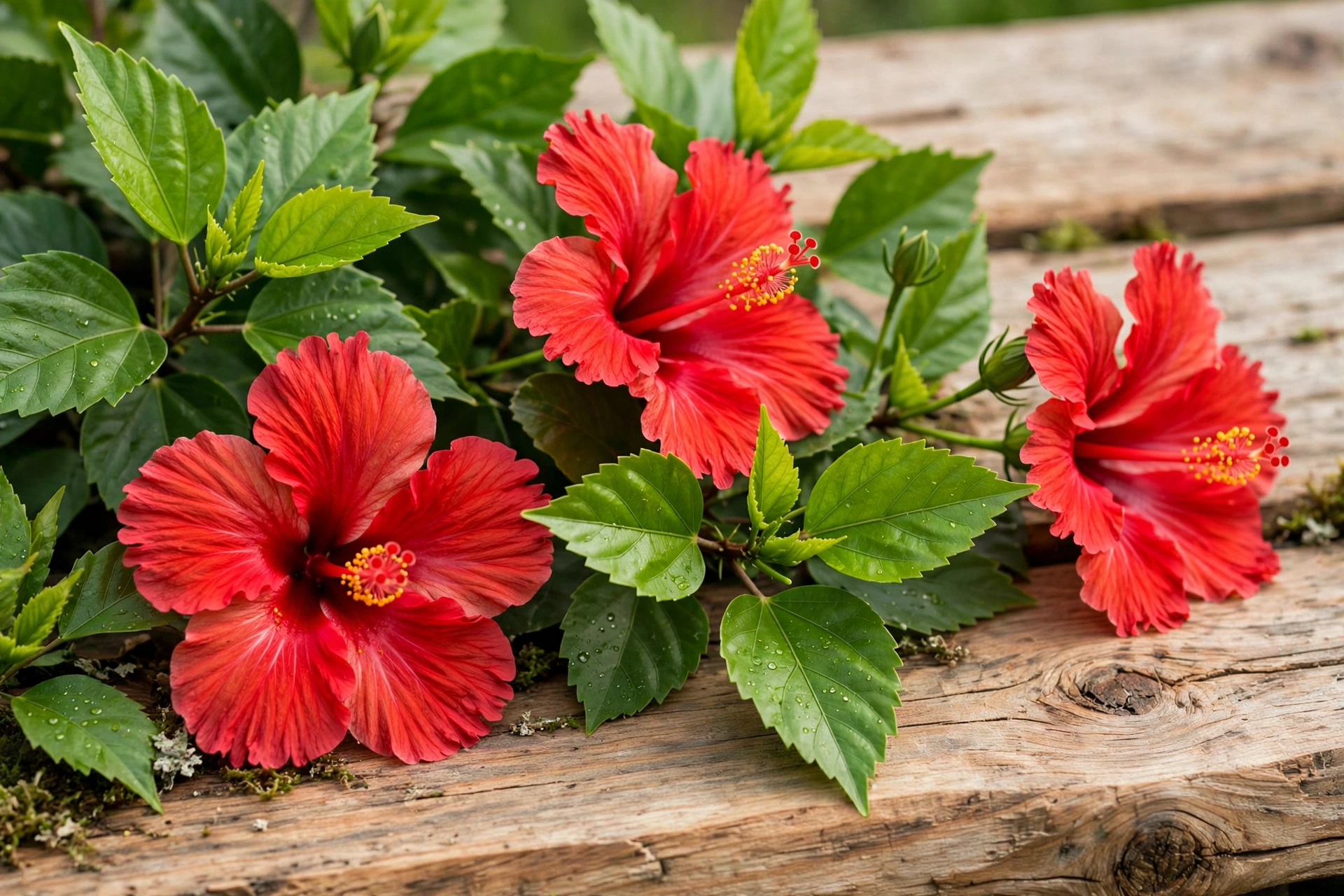
The bright red hibiscus flower — gudhal in Hindi — is far more than a garden ornamental. In Ayurveda, gudhal is a cherished herb for hair care, traditionally used to reduce hair fall, encourage growth and bring back natural shine. From homemade hair masks to hibiscus tea, this flower has earned its reputation as nature’s conditioner.
In this guide, we explore hibiscus benefits for hair growth, simple Ayurvedic hair masks with coconut oil and amla, its uses for skin, how to brew hibiscus tea, and exactly how to make and apply these remedies at home.
Hibiscus (Gudhal) in Ayurveda
Gudhal (Hibiscus rosa-sinensis) is described in Ayurvedic tradition as cooling and soothing, with a sweet-sour taste. It is traditionally used to pacify Pitta dosha — the heat principle linked in Ayurveda to hair thinning, premature greying and scalp irritation. Classical and folk practice uses both the flowers and the leaves, which are rich in natural mucilage (a slippery, conditioning substance), vitamin C, amino acids and antioxidants.
This combination is why hibiscus is often called a natural hair conditioner: the mucilage coats and softens the hair shaft, while the nutrients nourish the scalp.
Hibiscus for Hair Fall and Hair Growth
Traditional Ayurvedic hair care uses gudhal for:
- Reducing hair fall: regular hibiscus hair packs are traditionally believed to strengthen hair roots and reduce breakage-related shedding.
- Encouraging new growth: scalp massage with hibiscus-infused oil may help stimulate the scalp and support healthy follicles.
- Adding shine and softness: the flower’s natural mucilage works like a conditioner, smoothing the hair cuticle.
- Soothing the scalp: its cooling nature may help calm itchiness, dryness and mild dandruff.
- Delaying premature greying: folk tradition holds that regular use helps maintain natural hair colour, though results vary.
Consistency matters: traditional practice recommends weekly application for at least 6–8 weeks before judging results.
DIY Hibiscus Hair Masks
1. Hibiscus and Coconut Oil Mask (Classic)
You need: 5–6 fresh hibiscus flowers (or 2 tablespoons dried petals) + 3 tablespoons coconut oil.
Method: Grind the flowers with a little water into a smooth paste. Mix in the coconut oil. Apply from scalp to hair ends, massage gently for 5 minutes, and leave for 30–45 minutes. Wash with a mild shampoo. Use once a week.
2. Hibiscus, Amla and Curd Mask (for Growth and Shine)
You need: 4–5 hibiscus flowers, 2 tablespoons amla powder, 3 tablespoons plain curd.
Method: Blend into a smooth paste. Apply to scalp and hair, leave for 30 minutes, then rinse and shampoo. Amla adds vitamin C and traditional hair-strengthening properties, while curd conditions.
3. Hibiscus-Infused Hair Oil
You need: a handful of fresh hibiscus flowers and leaves + 100 ml coconut or sesame oil.
Method: Warm the oil on low heat, add crushed flowers and leaves, and simmer gently for 10–15 minutes until the petals darken. Cool, strain and store in a clean bottle. Massage into the scalp twice a week, leave overnight if possible, and wash in the morning.
Hibiscus for Skin
Gudhal is not just for hair. Its antioxidants and natural acids give it a growing reputation in natural skincare:
- Gentle exfoliation: the flower’s natural fruit acids may help loosen dead skin cells, leaving skin smoother.
- Hydration: hibiscus mucilage helps skin retain moisture.
- Even tone: traditional face packs of hibiscus paste with rose water or honey are used for a fresher-looking complexion.
Simple face pack: grind 2–3 fresh flowers into a paste with a teaspoon of rose water, apply for 15 minutes, rinse with cool water. Do a patch test first.
Hibiscus Tea: How to Brew It
Hibiscus tea is a tart, ruby-red infusion enjoyed both hot and iced. Traditionally it is considered cooling and refreshing.
Method: Steep 1–2 teaspoons of dried hibiscus petals (or 2–3 fresh flowers, rinsed) in a cup of hot water for 5–7 minutes. Strain and sweeten lightly with honey once cooled slightly, or enjoy plain over ice with a slice of lemon.
Some studies suggest hibiscus tea may help support healthy blood pressure levels already in the normal range, thanks to its antioxidant content. However, if you take blood pressure medication or are pregnant, consult your doctor before drinking it regularly — hibiscus may interact with certain medicines and is traditionally avoided in pregnancy.
How to Make and Apply: Practical Tips
- Use fresh, pesticide-free flowers: pick from your own garden or a trusted source; ornamental nursery plants may carry pesticide residues.
- Prepare fresh each time: hibiscus pastes ferment quickly — make only what you need for one application.
- Apply to damp hair: the paste spreads more evenly and rinses out more easily.
- Rinse thoroughly: petal bits can cling to hair; rinse well, then shampoo once.
- Patch test: apply a little paste behind the ear and wait 24 hours before full use, especially for skin applications.
Safety Notes
Hibiscus is generally gentle for external use, but a few cautions apply: always patch-test before use; avoid hibiscus tea during pregnancy unless your doctor approves; and if you take medication for blood pressure or blood sugar, check with your doctor before regular internal use, as hibiscus may enhance their effects. Discontinue use if you notice itching, redness or irritation.
Conclusion
Gudhal is one of Ayurveda’s most accessible beauty herbs — a flower you may already grow at home that doubles as a hair conditioner, scalp soother and skin freshener. Weekly hibiscus hair masks with coconut oil or amla, an infused hair oil for regular massage, and an occasional cup of hibiscus tea make a simple, traditional routine for stronger, shinier hair. As with any natural remedy, consistency and a patch test come first.
Frequently Asked Questions
Does hibiscus really help hair growth?
Hibiscus is traditionally used in Ayurveda to strengthen roots, reduce hair fall and condition hair, which supports healthy growth. Weekly use for 6–8 weeks is the traditional recommendation; individual results vary.
How do I make a hibiscus hair mask at home?
Grind 5–6 fresh hibiscus flowers into a paste with a little water, mix with 3 tablespoons of coconut oil, apply to scalp and hair for 30–45 minutes, then wash with mild shampoo.
Can I use dried hibiscus flowers for hair?
Yes — soak 2 tablespoons of dried petals in warm water for 20 minutes, then grind into a paste. Dried flowers work well for masks, infused oils and tea.
Is hibiscus tea safe to drink daily?
One cup a day is commonly enjoyed, but if you are pregnant or take blood pressure or blood sugar medication, consult your doctor first, as hibiscus may interact with these.
Can hibiscus help with dandruff?
Its cooling, soothing properties are traditionally used to calm scalp itchiness and dryness. A weekly hibiscus-curd mask is the classic home remedy, though persistent dandruff should be checked by a dermatologist.