
Jatamansi Benefits for Sleep and Calm: Ayurvedic Uses and Dosage
Jatamansi is Ayurveda’s classic calming herb — a Himalayan root traditionally used to quiet a restless mind, ease stress and support deep, restful sleep. Its Sanskrit name, tapasvini, refers to its cooling, soothing nature, and classical texts class it as a medhya herb: one that nourishes the mind and nervous system. This guide covers jatamansi’s traditional benefits for sleep and calm, how to use it, dosage, safety, and answers to common questions.
What Is Jatamansi in Ayurveda?
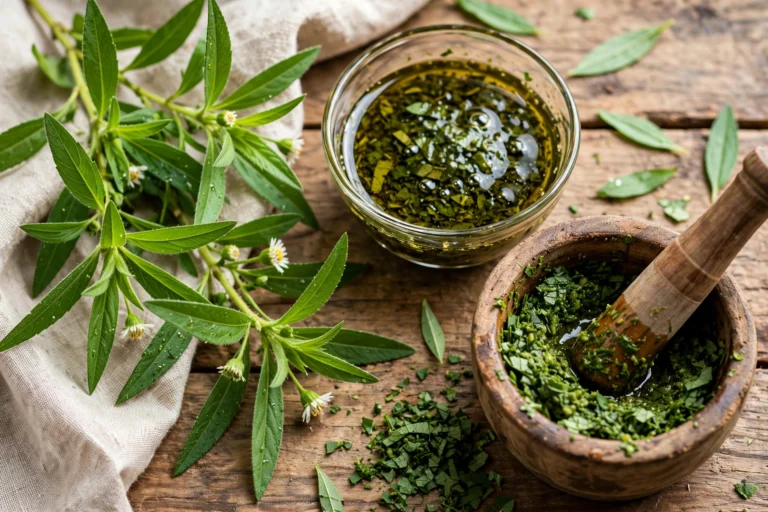
Jatamansi (Nardostachys jatamansi) is a flowering plant of the valerian family that grows in the Himalayas. The medicine comes from its rhizomes — fibrous, aromatic roots that carry the plant’s characteristic earthy, musky scent. In Ayurveda it is described as cooling (sheeta) and sweet-bitter in taste, traditionally balancing vata and pitta, which are the doshas most involved in anxiety and insomnia.
The roots contain sesquiterpenes and other volatile compounds; modern researchers have studied jatamansi extracts for possible effects on GABA and serotonin pathways, which may explain its traditional reputation as a nervine — an herb that tones and soothes the nervous system.
Jatamansi Benefits for Sleep
In Ayurvedic practice, jatamansi is one of the first herbs suggested for disturbed sleep, especially when the mind refuses to switch off.
- Traditionally supports deep sleep: Classical texts describe jatamansi as nidrajanana — sleep-inducing. It is traditionally taken before bed to calm mental chatter and support natural, unbroken sleep.
- May improve sleep quality: A few small animal and preliminary human studies suggest jatamansi extracts may shorten the time it takes to fall asleep and improve sleep quality, but large clinical trials are still lacking.
- Commonly paired with other herbs: Ayurvedic sleep formulations often combine jatamansi with ashwagandha or tagara (Indian valerian) for a stronger calming effect.
For related Ayurvedic sleep support, vetiver (khus) is another cooling herb traditionally used for sleep and stress.
Jatamansi Benefits for Stress and Calm
- Traditionally eases anxiety and restlessness: Ayurveda uses jatamansi to settle vata in the mind — the quality associated with worry, racing thoughts and feeling scattered.
- Adaptogenic support: Like other medhya herbs, jatamansi is traditionally believed to build mental resilience against daily stress rather than merely sedating.
- Mood support: Some early research explores jatamansi’s possible influence on serotonin pathways, but evidence for mood effects remains preliminary and it is not a treatment for depression.
Jatamansi for the Mind: Memory and Mental Clarity
As a medhya herb, jatamansi is also traditionally valued for cognitive support.
- Traditionally supports mental clarity: Classical texts include jatamansi in formulations for focus and clear thinking, especially when stress is clouding concentration.
- Calms irritability: Its cooling nature is traditionally used for pitta-type irritability — snappiness, frustration and a short temper from overheating.
Jatamansi vs Ashwagandha: Which Is Better for Sleep?
Both are popular Ayurvedic herbs, but they work differently. Ashwagandha is warming and building — traditionally used for stress with fatigue, low energy and depleted reserves. Jatamansi is cooling and calming — traditionally better suited to stress with a racing mind, restlessness and difficulty falling asleep. Many classical sleep formulations combine the two. If stress leaves you wired and restless, jatamansi is the more traditional choice; if stress leaves you exhausted and depleted, ashwagandha is usually preferred. A practitioner can help you decide or blend them.
How to Use Jatamansi: Dosage
Dosage information here is general and traditional — always follow the product label and an Ayurvedic practitioner’s guidance.
Powder (Churna)
- The traditional dose of jatamansi root powder is 1–3 grams (about half to one teaspoon), taken with warm water or warm milk.
- For sleep, take it 30–60 minutes before bed. For daytime calm, a smaller dose may be taken earlier in the day.
Oil (Taila)
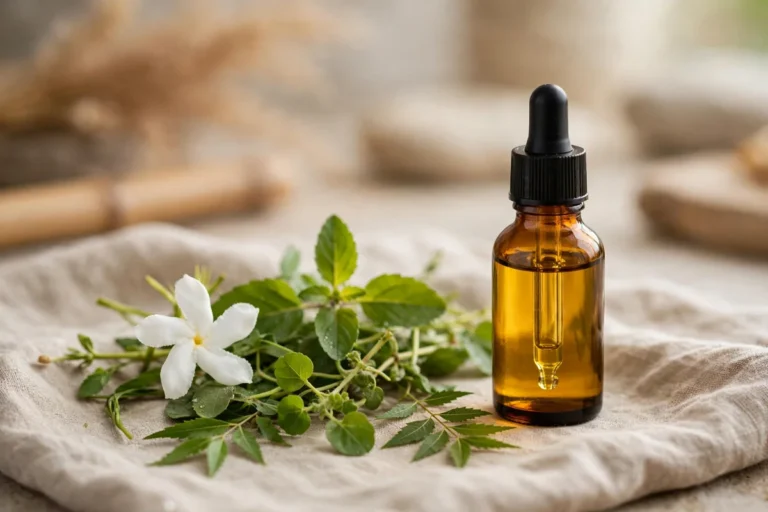
- Jatamansi oil is traditionally used for head massage (shiroabhyanga) before bed — a few drops massaged into the scalp to calm the mind.
- A few drops on the pillow or in a diffuser is a modern way to use its calming aroma.
Tablets and Capsules
- Standardized tablets are usually dosed at 500 mg–1 g per day. Look for products that specify the extract and its source.
A note on sustainability: Jatamansi is a slow-growing Himalayan species that has been overharvested and is now protected in several regions. Buy only from reputable brands that source it sustainably or from cultivated stock.
Safety and Precautions
- Jatamansi is generally well tolerated at traditional doses, but it can cause drowsiness — avoid driving or operating machinery after taking it.
- Pregnant and breastfeeding women should avoid jatamansi, as safety has not been established.
- Because of its calming action, it may add to the effects of sleep aids, anti-anxiety medication or alcohol — discuss with your doctor if you take these.
- Large doses may cause digestive discomfort in sensitive individuals.
Note: This article shares traditional Ayurvedic knowledge for general information only. It is not medical advice. Consult a qualified Ayurvedic practitioner or doctor before starting jatamansi, especially if you have a health condition or take medication.
Frequently Asked Questions
How long does jatamansi take to work for sleep?
Some people notice calmer evenings within a few days, but traditional practice suggests 2–4 weeks of consistent bedtime use for more settled sleep patterns. It is not an instant sedative.
Can I take jatamansi every night?
Practitioners commonly recommend it nightly for a few weeks during stressful periods, followed by a reassessment. Long-term nightly use should be guided by a practitioner.
Does jatamansi have side effects?
At traditional doses it is considered gentle, but it may cause morning grogginess if the dose is too high. Start low and take it early enough before bed.
Can children take jatamansi?
Children’s use should only be under the guidance of a qualified practitioner, who will set an age-appropriate dose.