Chyawanprash Benefits: Ayurvedic Uses for Immunity and Energy
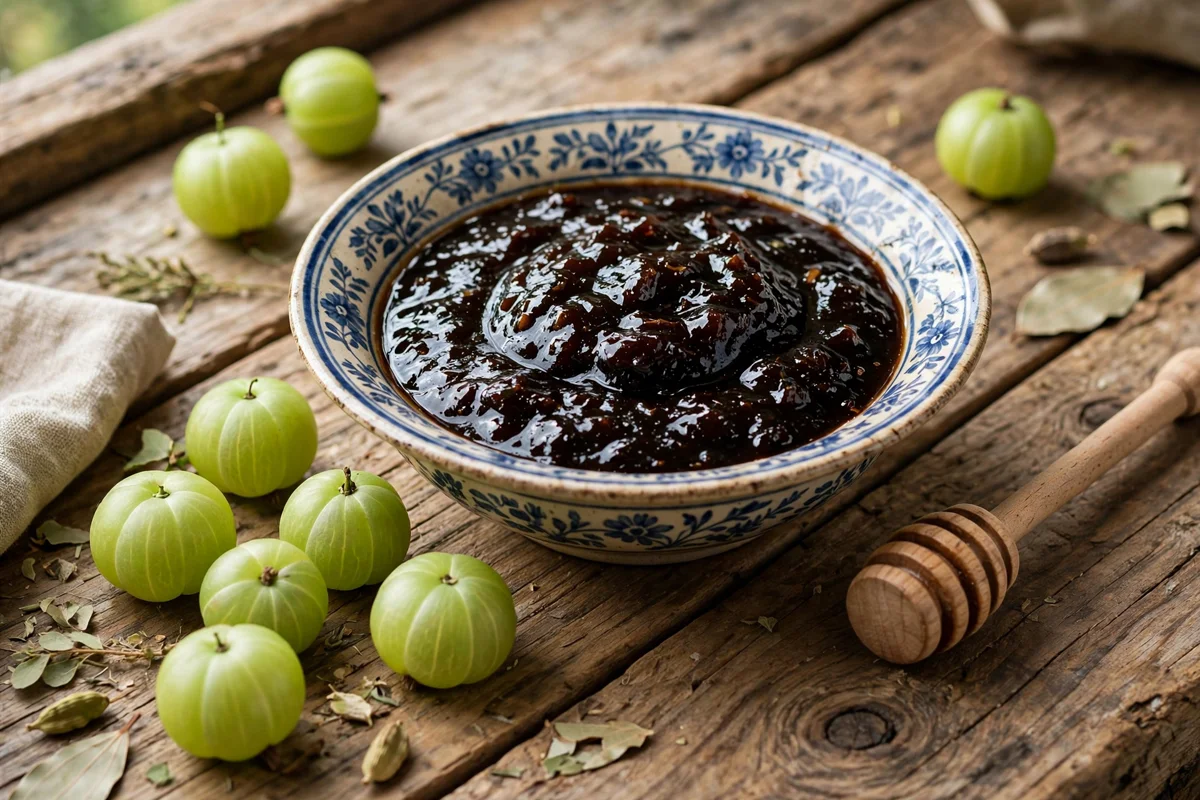
Walk into any Indian household during winter and you will likely find a jar of dark, sticky, sweet-sour jam on the shelf: Chyawanprash. Made primarily from amla (Indian gooseberry) blended with dozens of herbs, honey, ghee, and spices, it is one of Ayurveda’s most famous Rasayana (rejuvenative) preparations — traditionally used to support immunity, energy, and everyday vitality. Here is what it is, how to take it, and what to watch out for.
What Is Chyawanprash?
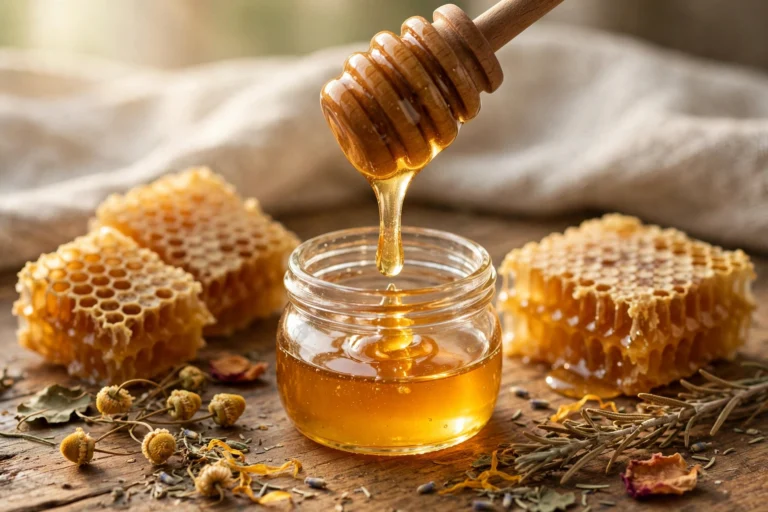
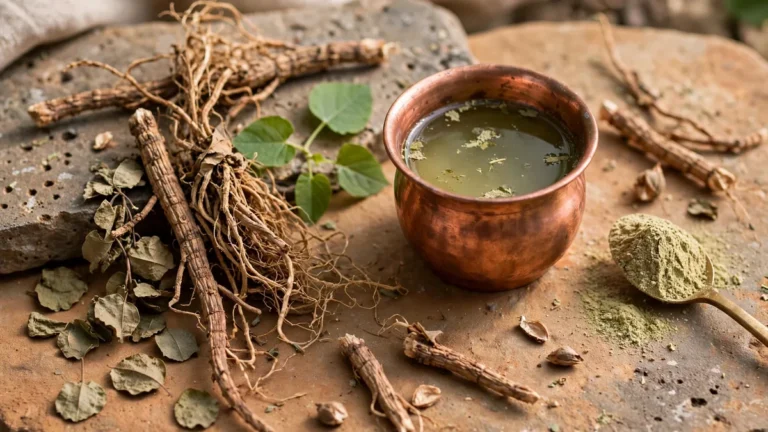
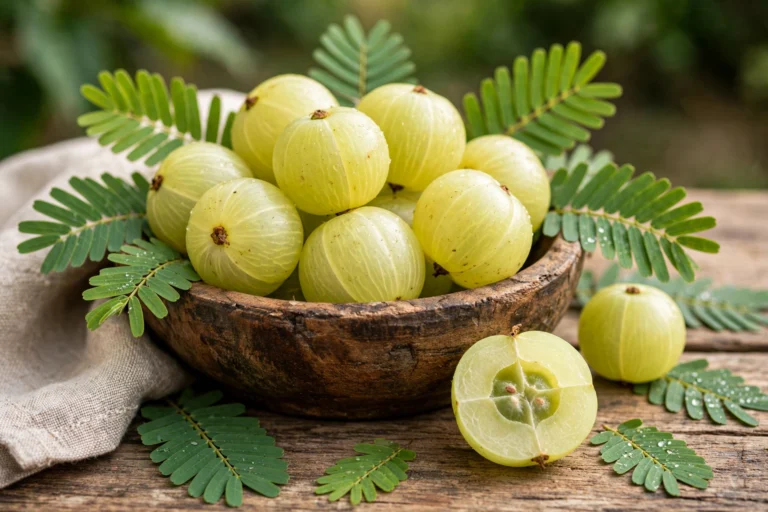
Chyawanprash is a thick herbal jam (avaleha) whose main ingredient is amla, one of the richest natural sources of vitamin C. According to tradition, it is named after the sage Chyawan, for whom it was first prepared to restore his vigor. A classical recipe contains 30–50 ingredients: amla pulp cooked with sugar or jaggery, ghee, honey, and a long list of herbs such as ashwagandha, giloy, pippali, cardamom, and cinnamon.
Because there are so many ingredients, quality varies between brands. Traditional texts emphasize proper preparation — slow-cooked amla, genuine herbs, and honey added only after cooling. Choosing a reputable manufacturer matters more here than with most Ayurvedic products.
Traditional Uses and Claimed Benefits
These are traditional Ayurvedic claims, passed down through classical texts and practitioner experience. Modern research exists but is still limited, so read this as tradition, not as proven medicine.
- Immune support: Its most famous traditional use — a daily spoonful through the winter months is the classic household habit, traditionally believed to strengthen the body’s defenses.
- Energy and stamina: As a Rasayana, it is traditionally used to combat tiredness and support everyday energy and physical stamina.
- Respiratory comfort: Classical texts associate chyawanprash with comfortable breathing and throat function, popular during seasonal changes.
- Digestion: The spices and herbs in the formula are traditionally said to support healthy digestion and appetite.
- Skin and vitality: Amla’s antioxidant reputation underlies traditional claims about healthy-looking skin and overall vitality.
- Recovery support: Traditionally given during convalescence to help rebuild strength — always under guidance, not as self-treatment for illness.
How and When to Take Chyawanprash
- How to take it: Eat it directly from the spoon. The traditional follow-up is a glass of warm milk, which is said to help the body absorb it — warm water works if you avoid dairy.
- When: On an empty or light stomach in the morning works best for most people. Avoid taking it immediately before or after a heavy meal.
- Season: It is most popular from autumn through spring. In very hot weather, some practitioners suggest reducing the dose or pausing, since the formula is considered warming.
- Consistency: Traditional use is daily over weeks or months, not a one-off dose. Think of it as a seasonal habit.
Dosage Guidance
- Adults: 1–2 teaspoons (about 10–12 grams), once or twice daily.
- Children (above 3 years): roughly half the adult dose — about half a teaspoon to one teaspoon daily. Very young children should only take it on a practitioner’s advice.
- Start small: If you have never taken it, begin with half a teaspoon for a few days to see how your digestion responds, then build up.
An Important Note on Sugar (Especially for Diabetics)
- Diabetics should be cautious. Sugar-free versions exist, but “sugar-free” does not mean carbohydrate-free — consult your doctor before taking any form regularly, and monitor blood sugar.
- Weight watchers: A daily spoonful adds meaningful calories and sugar; factor it into your diet rather than treating it as “free” health food.
- Dental health: A sticky sweet jam taken daily calls for good oral hygiene — rinse or brush after your dose.
Who Should Be Cautious
- Diabetics and pre-diabetics — medical guidance first.
- Pregnant and breastfeeding women should consult a doctor or qualified Ayurvedic practitioner before regular use.
- People with chronic digestive issues (acidity, ulcers, chronic diarrhea) — professional advice is wise.
- Anyone on regular medication should check for interactions with a doctor or pharmacist.
- Allergy check: With 30+ ingredients, read the label if you have known plant or nut allergies.
Frequently Asked Questions
Can children take chyawanprash?
Traditionally yes, from around age 3, at about half the adult dose — but check with your pediatrician or an Ayurvedic practitioner first.
Does chyawanprash really boost immunity?
That is its traditional reputation, and amla is genuinely rich in vitamin C and antioxidants. But “boosting immunity” is a broad claim with limited direct clinical proof — treat it as traditional nutritional support, not as a shield against illness.
Sugar-free vs. regular — which is better?
Sugar-free versions suit diabetics and the sugar-conscious, but they still contain carbohydrates and calories. Regular versions follow the classical recipe. Either way, buy from a reputable brand and check the full ingredient list.
How long before I notice anything?
Traditional use is measured in weeks to months of daily use, not days.
Conclusion
Chyawanprash earns its fame honestly: a delicious, amla-based herbal jam with centuries of traditional use behind it, valued for immune support, energy, and winter wellness. Used sensibly — a spoonful a day, quality brand, warm milk alongside — it is one of Ayurveda’s most approachable daily habits. Just keep two things in mind: it is a sugary jam, not a medicine, so diabetics and the sugar-conscious need guidance; and its celebrated benefits are traditional claims with limited modern evidence. When in doubt, talk to a qualified practitioner before making it a habit.