Manjistha Benefits: Ayurvedic Blood Purifier for Clear Skin
Manjistha is Ayurveda’s most famous “blood purifier” — a climbing plant whose red roots have been used for centuries to support clear, healthy skin. Classical texts call it varnya, meaning “that which improves complexion,” and it appears in countless skin formulations. This guide explains what manjistha is, its traditional benefits for skin and detox, how to use the powder, dosage, safety, and answers to common questions.
What Is Manjistha in Ayurveda?
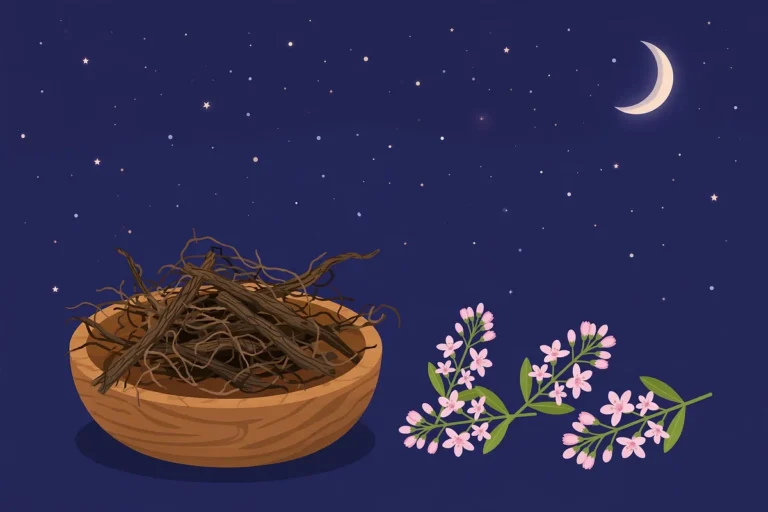
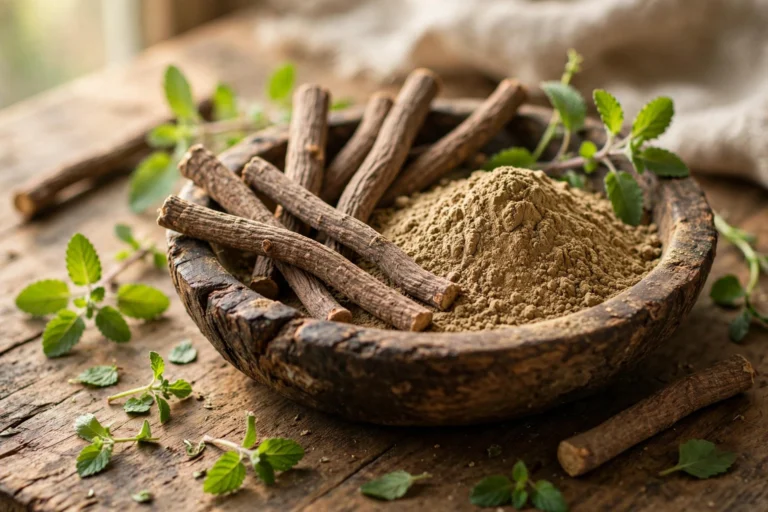
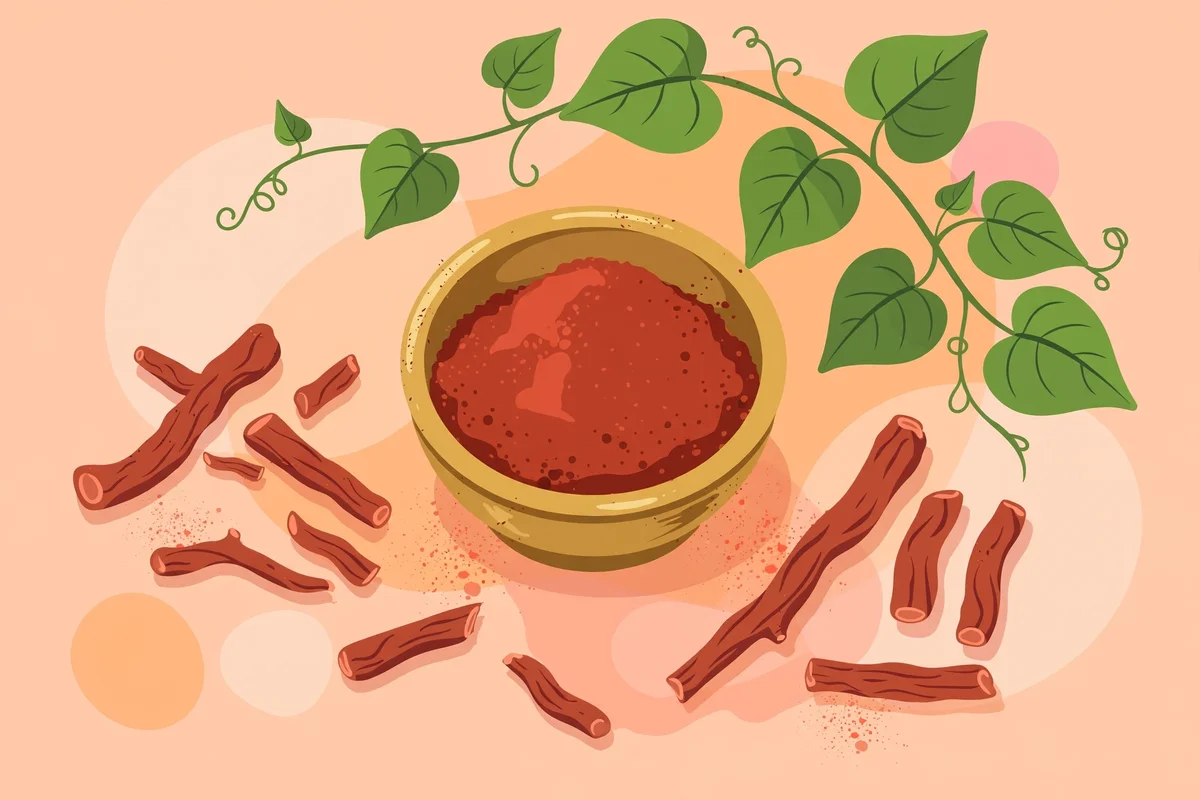
Manjistha (Rubia cordifolia) is a perennial climbing plant whose roots and stems yield a deep red dye — the name literally relates to its reddish color. The medicinal part is the dried root. Ayurveda describes it as cooling and bitter-sweet, traditionally balancing pitta and kapha — the doshas most associated with skin inflammation and congestion.
The roots contain anthraquinones and other plant compounds that modern researchers are studying for antioxidant and anti-inflammatory properties. In Ayurveda, manjistha is classified as a rakta shodhaka — a blood purifier — meaning it is traditionally used to clear heat and toxins believed to manifest as skin problems.
Manjistha Benefits for Clear Skin
Skin is where manjistha’s reputation is strongest.
- Traditionally supports clear, blemish-free skin: Ayurveda uses manjistha internally for acne, breakouts and blemishes, on the theory that purifying the blood calms the skin from within.
- May help with pigmentation and dark spots: As a varnya herb, manjistha is traditionally used to even out skin tone and reduce dark spots and blemishes. It is a key ingredient in classical complexion formulations and in kumkumadi tailam preparations.
- Traditionally soothes skin inflammation: Its cooling nature is used for redness, rashes, and pitta-type skin irritation.
- Supports wound healing: Classical texts include manjistha in formulations for minor wounds and skin injuries; its traditional use includes external pastes for skin repair.
For related Ayurvedic skin support, neem is another classic blood-purifying herb often paired with manjistha for skin health.
Manjistha as an Ayurvedic Blood Purifier and Detox Herb
- Traditionally supports lymphatic health: Ayurveda considers manjistha one of the best herbs for the lymphatic system (rasa and rakta vaha srotas), traditionally used to support the body’s natural detox pathways.
- May support liver function: Traditional practice uses manjistha in detox formulations; some animal studies suggest possible liver-protective properties, but human evidence is limited.
- Traditionally used for healthy circulation: By “cooling and moving” the blood, manjistha is traditionally believed to support healthy circulation and relieve stagnation-related skin and menstrual complaints.
Other Traditional Ayurvedic Uses of Manjistha
- Menstrual support: Classical texts use manjistha for menstrual discomfort linked to heat and stagnation, traditionally believed to support smooth menstrual flow.
- Urinary health: It is traditionally used to support a healthy urinary tract, partly because of its diuretic reputation.
- Hair health: Manjistha decoctions are traditionally used as a hair rinse to support scalp health and add a natural reddish tint to dark hair.
How to Use Manjistha: Dosage
Dosage information here is general and traditional — always follow the product label and an Ayurvedic practitioner’s guidance.
Powder (Churna)
- The traditional dose of manjistha root powder is 1–2 teaspoons (about 3–6 grams) per day, taken with warm water or mixed with honey.
- It is often taken twice daily — morning and evening — for skin support.
Decoction (Kwatha)
- Simmer 1–2 tablespoons of coarse root powder in 2 cups of water until reduced by half; strain and drink warm. This traditional preparation is considered the most potent internal form.
External Use
- Face pack: Mix manjistha powder with rose water or raw milk into a paste, apply for 15–20 minutes, and rinse. Traditionally used 2–3 times weekly for glow and tone.
- Manjistha oil: Medicated oils containing manjistha are used for massage to support skin health.
Safety and Precautions
- Red urine is normal: Manjistha’s natural pigments can turn urine and stool reddish — this is harmless and temporary, but it can be alarming if unexpected.
- Pregnant and breastfeeding women should avoid manjistha, as safety has not been established and it is traditionally used to influence menstrual flow.
- Because of its cooling, slightly laxative nature, very large doses may cause loose stools in sensitive individuals.
- People on blood-thinning medication should consult a doctor first, as traditional texts describe manjistha as influencing blood flow.
Note: This article shares traditional Ayurvedic knowledge for general information only. It is not medical advice. Consult a qualified Ayurvedic practitioner or doctor before starting manjistha, especially if you have a health condition or take medication.
Frequently Asked Questions
How long does manjistha take to improve skin?
Traditional practice suggests 4–8 weeks of consistent internal use before visible changes in skin clarity and tone. Skin purifies from within, so patience and consistency matter more than dose.
Can manjistha be used with neem?
Yes — manjistha and neem are a classic Ayurvedic pair for skin. Manjistha is cooling and tone-improving; neem is bitter and strongly purifying. They are often combined in classical skin formulations, but check with a practitioner for the right ratio and dose.
Does manjistha lighten skin?
Manjistha is traditionally used to even out skin tone and fade dark spots, not to bleach skin. Its varnya (complexion-enhancing) action is about clarity and evenness, not fairness.
Is the red urine from manjistha dangerous?
No — it is a harmless effect of the root’s natural red pigments passing through the body, and it stops when you stop taking it. If you have any doubt, a practitioner can confirm.