Ayurvedic Home Remedies for Acidity and Heartburn: Causes and Natural Relief
That burning sensation rising up your chest after a spicy meal. The sour taste in your mouth at night. Acidity and heartburn are among the most common digestive complaints in India — and while antacids offer quick relief, they rarely fix the pattern. Ayurveda looks deeper: at why the acid keeps coming back, and how to cool and balance digestion naturally.
This guide explains the Ayurvedic view of acidity, simple home remedies that have been used for generations, and the diet and lifestyle habits that keep the burn away — plus clear guidance on when self-care is not enough.
The Ayurvedic View: Why Acidity Happens
In Ayurveda, acidity is called amlapitta — literally “sour pitta.” It arises when pitta dosha (the fire element governing digestion and metabolism) becomes aggravated and excessive heat and sourness build up in the stomach. Common aggravators include:
- Spicy, sour, fried, or very salty foods eaten frequently
- Irregular meal timings, skipping meals, or eating late at night
- Excess tea, coffee, alcohol, and carbonated drinks
- Chronic stress, anger, and inadequate sleep (pitta is emotional too)
- Overeating or eating too fast, and lying down right after meals
Quick-Relief Home Remedies
1. Cold Milk
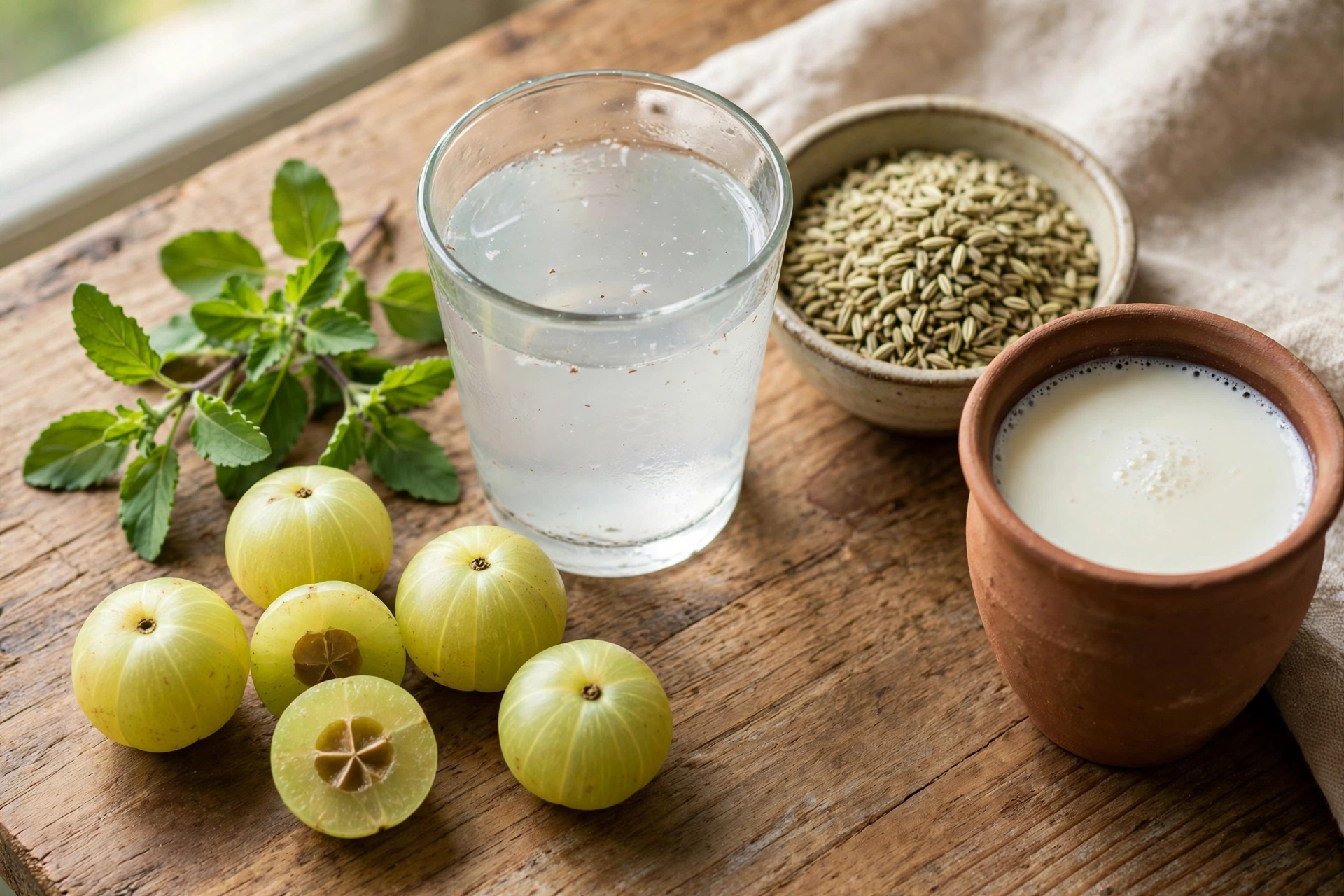
A glass of cold (not iced) plain milk is India’s most famous instant remedy — its cooling nature and calcium content help soothe the burning sensation. Avoid adding sugar or drinking it very hot, which can worsen acidity.
2. Coconut Water
Tender coconut water is alkaline, cooling, and hydrating — a traditional first-line drink for acidity and heartburn. One glass on an empty stomach in the morning is a common daily practice for chronic sufferers.
3. Fennel Seeds (Saunf)
Chewing a teaspoon of fennel seeds after meals, or sipping fennel seed tea, cools the stomach and eases post-meal burning. Fennel is carminative and pitta-pacifying — ideal for acidity with bloating.
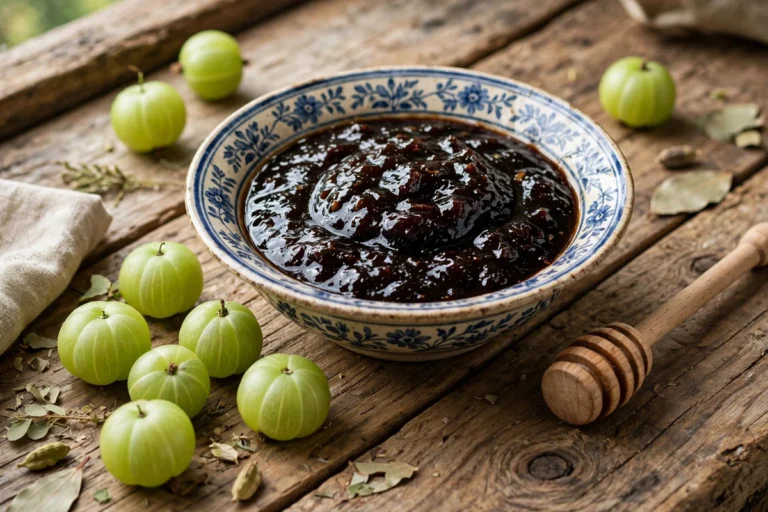
4. Amla (Indian Gooseberry)
Amla is cooling despite its sour taste, and is considered one of the best Ayurvedic remedies for amlapitta. Take 1 teaspoon of amla powder with water in the morning, or drink fresh amla juice diluted with water.
5. Cumin-Coriander-Fennel Tea (CCF Tea)
This classic Ayurvedic digestive tea combines equal parts cumin, coriander, and fennel seeds. Steep 1/2 teaspoon of the mixed seeds in hot water for 10 minutes and sip after meals. It cools pitta while supporting digestion.
6. Licorice (Mulethi)
Mulethi root is traditionally used to soothe the stomach lining and ease heartburn. Chew a small piece of the root after meals, or drink mulethi tea. Note: licorice can raise blood pressure with prolonged use — people with hypertension should use it cautiously and consult a practitioner.
7. Banana
A ripe banana is a natural antacid — its alkaline nature helps neutralize stomach acid, and it coats the stomach lining. Eating one banana a day is a simple habit for frequent acidity.
8. Buttermilk (Chaas)
Thin buttermilk with a pinch of roasted cumin and a little rock salt is a traditional digestive cooler, especially after lunch. It soothes the stomach and supports healthy gut flora.
9. Aloe Vera Juice
A small amount (about 1/4 cup) of pure, food-grade aloe vera juice before meals is traditionally used to cool and soothe the digestive tract. Use only products meant for internal consumption, and avoid long-term unsupervised use.
10. Basil (Tulsi) Leaves
Chewing 3-4 fresh tulsi leaves is a folk remedy for acidity — tulsi is considered to calm pitta and support digestion. Tulsi tea works as a gentler alternative.
Diet Rules to Prevent Acidity
- Eat on time: regular meal timings are the single most important habit — skipping meals lets acid build up on an empty stomach.
- Favor cooling foods: milk, ghee, coconut, cucumber, melon, leafy greens, sweet fruits, and rice calm pitta.
- Reduce the triggers: cut back on very spicy, sour, and fried foods, pickles, vinegar, excess salt, and fermented foods during flare-ups.
- Limit tea, coffee, and alcohol: all three stimulate acid production — switch to herbal teas like CCF or chamomile.
- Eat lighter dinners, earlier: finish dinner 2-3 hours before bed and keep it the lightest meal of the day.
- Chew well and don’t overeat: eating slowly to about 3/4 full gives agni room to work without overflow.
Lifestyle Habits That Help
- Don’t lie down after eating: stay upright for at least 30 minutes after meals; elevate the head of your bed if nighttime reflux is an issue.
- Manage stress: anger and chronic stress directly aggravate pitta. Daily walks, pranayama (especially sheetali cooling breath), and adequate sleep all help.
- Stay hydrated: sip room-temperature water through the day; avoid gulping large amounts with meals.
- Wear loose clothing around the waist to avoid pressure on the stomach.
- Quit smoking — it relaxes the esophageal sphincter and worsens reflux.
Classical Ayurvedic Formulations
For persistent acidity, Ayurvedic practitioners commonly prescribe formulations such as Avipattikar churna, Sutshekhar rasa, and Kamadudha rasa — classical preparations specifically indicated for amlapitta. These contain mineral and herbal ingredients in precise proportions and should only be taken under a qualified practitioner’s supervision, never self-prescribed.
When to See a Doctor
Home remedies suit occasional, mild acidity. Seek medical attention promptly if you experience:
- Heartburn more than twice a week despite diet changes
- Difficulty or pain when swallowing
- Vomiting blood, or black/tarry stools
- Unexplained weight loss or persistent nausea
- Chest pain — never assume chest pain is “just acidity”; get it checked, as heart issues can mimic heartburn
Persistent reflux (GERD), ulcers, and H. pylori infection need proper diagnosis — natural remedies complement, but do not replace, medical care.
Frequently Asked Questions
What is the fastest Ayurvedic remedy for acidity?
Cold milk, coconut water, or chewing fennel seeds give the quickest soothing relief. For lasting results, pair them with regular meal timings and reduced trigger foods.
Is amla good for acidity even though it tastes sour?
Yes — this is a classic Ayurvedic paradox. Despite its sour taste, amla has a sweet post-digestive effect and cooling energy, making it one of the best traditional remedies for amlapitta.
Can stress really cause acidity?
Both Ayurveda and modern medicine agree: stress and anger aggravate pitta and increase acid production. Stress management — sleep, pranayama, regular routine — is part of the treatment, not optional.
Should I avoid all sour foods if I have acidity?
During flare-ups, yes — minimize sour, fermented, and very spicy foods. Once balanced, small amounts of wholesome sour tastes (like buttermilk or amla) are fine and even beneficial.
Are antacids bad for long-term use?
Occasional antacid use is fine, but long-term daily use can mask underlying issues and affect nutrient absorption. If you need antacids regularly, see a doctor for proper evaluation.