Tulsi (Holy Basil): 10 Powerful Ayurvedic Benefits for Immunity, Stress, and Respiratory Health
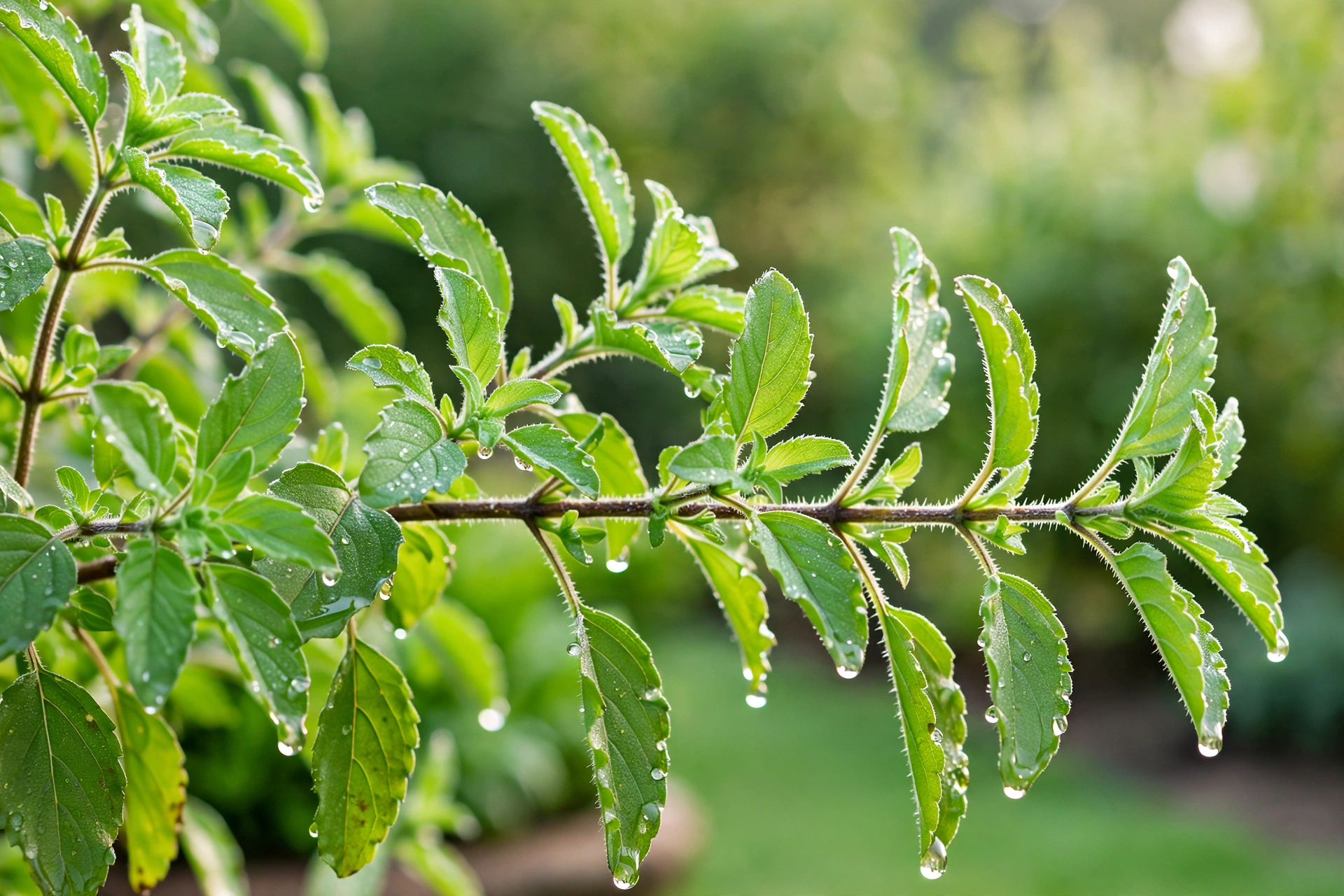
In Ayurveda, few herbs command as much respect as Tulsi (Ocimum sanctum), revered as the “Queen of Herbs.” For over 3,000 years, Indian households have grown this sacred plant in their courtyards — not just for worship, but as a daily medicine for immunity, stress, and respiratory wellness. Modern research is now catching up with what Ayurveda always knew: Tulsi is one of nature’s most powerful adaptogens.
What Makes Tulsi So Powerful?
Tulsi leaves are rich in eugenol, ursolic acid, rosmarinic acid, vitamin C, zinc, and iron. These compounds give it potent antioxidant, anti-inflammatory, antimicrobial, and adaptogenic properties — meaning it helps your body adapt to physical and mental stress.
10 Ayurvedic Benefits of Tulsi
1. Strengthens Immunity
Tulsi boosts the production of T-helper cells and natural killer cells, your immune system’s frontline defenders. A daily cup of Tulsi tea during seasonal changes is an Ayurvedic staple for staying illness-free.
2. Relieves Stress and Anxiety
As an adaptogen, Tulsi helps regulate cortisol, the stress hormone. Studies suggest it reduces symptoms of general stress, improves mood, and promotes mental clarity without drowsiness.
3. Supports Respiratory Health
Tulsi is a trusted remedy for cough, cold, bronchitis, and asthma. Its expectorant properties help clear mucus, while eugenol soothes throat irritation.
4. Improves Digestion
Chewing Tulsi leaves or drinking Tulsi tea after meals stimulates digestive enzymes, reduces bloating, and eases acidity.
5. Promotes Clear, Healthy Skin
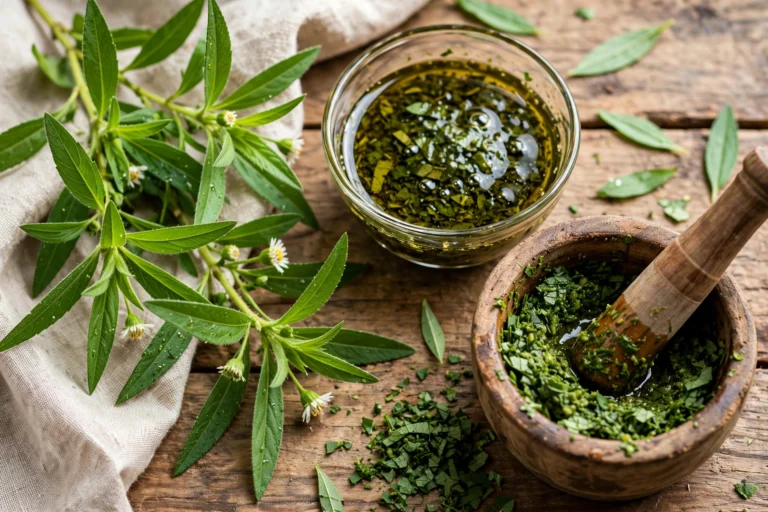
Tulsi’s antibacterial and anti-inflammatory compounds help fight acne and skin infections. Tulsi paste is a traditional remedy for blemishes.
6. Supports Heart Health
Tulsi may help maintain healthy cholesterol and blood pressure levels, partly due to eugenol’s protective effect on the cardiovascular system.
7. Helps Manage Blood Sugar
Research indicates Tulsi can improve insulin sensitivity, making it a supportive herb for those managing blood sugar — always alongside medical advice.
8. Fights Inflammation
The ursolic and rosmarinic acids in Tulsi help calm chronic inflammation, which is linked to joint pain and many lifestyle disorders.
9. Supports Natural Detox
Tulsi supports liver function and helps the body eliminate toxins, which is why it’s a key ingredient in many Ayurvedic detox formulations.
10. Improves Oral Health
Chewing Tulsi leaves freshens breath and fights the bacteria that cause cavities and gum disease — a traditional natural mouth freshener.
How to Use Tulsi Daily
- Tulsi tea: Steep 5–7 fresh leaves (or 1 tsp dried) in hot water for 5 minutes. Drink 1–2 cups daily.
- Fresh leaves: Chew 3–4 fresh leaves on an empty stomach in the morning.
- Tulsi powder: Mix 1/2 tsp with warm water or honey.
- With other herbs: Combine with ginger and black pepper for respiratory support.
Precautions
Pregnant or breastfeeding women, people on blood-thinning medication, and those scheduled for surgery should consult a doctor before using Tulsi therapeutically. This article is for informational purposes and is not medical advice.