Neem Benefits: Ayurvedic Uses for Skin, Hair and Immunity
Neem Benefits: Ayurvedic Uses for Skin, Hair and Immunity
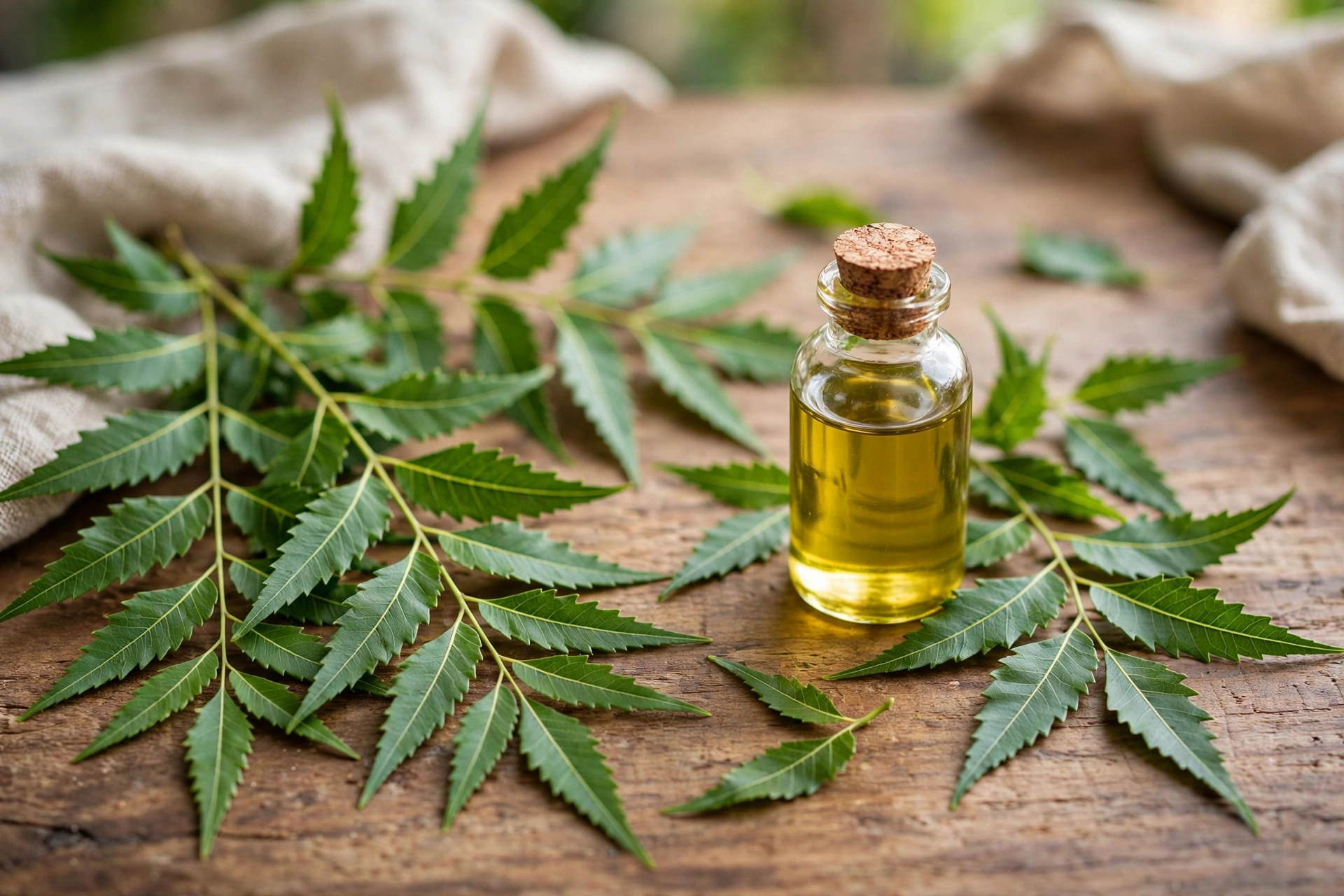
Neem (Azadirachta indica), called the “village pharmacy” of India, has been a cornerstone of Ayurveda for thousands of years. Nearly every part of this evergreen tree — leaves, bark, oil, fruit, and twigs — is used in traditional remedies. Modern readers most often meet neem as an ingredient in soaps, toothpaste, and skin creams, but in Ayurveda it is classified as a powerful bitter (tikta) and astringent (kashaya) herb that cools the body, purifies the blood, and balances excess Pitta and Kapha dosha.
This guide covers the traditional Ayurvedic uses of neem for skin, hair, and immunity, how to use it in its common forms (powder, oil, and juice), and the safety cautions that matter — especially around dosage.
What Neem Is in Ayurveda
Ayurvedic texts describe neem as krimighna (traditionally used against worms and microbes), kandughna (relieves itching), and raktashodhak (blood purifier). Its bitter taste is considered excellent for clearing ama (metabolic waste) and supporting clear skin from the inside. Because it is cooling in nature, it is traditionally favoured during hot weather and for Pitta-related skin concerns like redness and heat rashes.
Neem Benefits for Skin
Neem is one of the most widely used Ayurvedic herbs for skin care, both internally and externally.
1. Traditional support for acne-prone skin
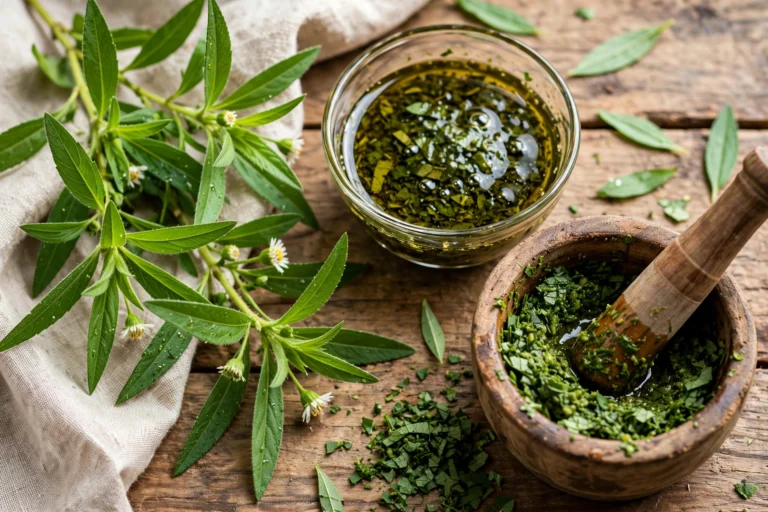
Neem leaf paste has been applied to blemished skin for generations. The traditional logic is simple: its bitter, cooling qualities help balance oily, congested skin. A classic home preparation is fresh neem leaves ground with a little water into a paste and applied as a face pack for 10–15 minutes.
2. Itching, rashes, and minor skin irritation
A decoction of neem leaves (boiled and cooled) is traditionally used as a wash for itchy or irritated skin. Bathing with neem water — a handful of leaves boiled in bath water — remains a common summer practice in many Indian households.
3. Traditional use in eczema and minor wounds
Ayurvedic practitioners have long used neem oil on minor cuts, scrapes, and dry, flaky patches, valuing its soothing effect on damaged skin. Neem bark decoctions are also described in classical texts for supporting skin comfort.
Neem Benefits for Hair
1. Scalp comfort and dandruff
Neem oil, massaged into the scalp and left for 30–60 minutes before washing, is a traditional remedy for flaky, itchy scalps. For a milder option, neem leaf decoction can be used as a final hair rinse after shampooing.
2. Healthy-looking hair
Regular scalp massage with warm neem oil (often mixed with coconut oil to soften its strong smell) is part of traditional hair-care routines aimed at keeping the scalp clean and hair looking lustrous.
Neem and Immunity
In Ayurveda, immunity (ojas) is closely linked to digestion and the purity of the blood and tissues. Neem’s role here is supportive and indirect:
- Blood purification tradition: Neem leaf juice or powder is traditionally taken in small amounts during seasonal changes to “purify the blood” — in modern terms, to support the body’s natural cleansing processes.
- Digestive support: Its bitter taste is traditionally believed to stimulate digestive fire (agni) and help clear intestinal heaviness.
- Seasonal wellness: In many regions, chewing a few tender neem leaves in spring (Chaitra month) is a traditional seasonal practice for general wellness.
How to Use Neem: Powder, Oil, and Juice
Neem powder (churna)
Dried neem leaf powder is the most versatile form. Traditional general guidance is ¼ to ½ teaspoon (1–2 grams) mixed with warm water, once daily — but this varies by constitution and purpose, so check with an Ayurvedic practitioner before starting.
Neem oil
Cold-pressed neem oil is for external use only — it should never be swallowed. Apply to skin or scalp, diluted with coconut or sesame oil if you find it strong. Keep away from eyes and mucous membranes.
Neem juice
Fresh neem leaf juice is very bitter and potent. Traditional use involves very small quantities (a teaspoon or two), sometimes mixed with honey to make it palatable. Commercially prepared neem juice should be used strictly per the label.
Neem capsules
Capsules offer a taste-free option. Follow the manufacturer’s dosage and, as always, consult a practitioner for long-term use.
Dosage Cautions and Who Should Be Careful
Neem is powerful, and “natural” does not mean “safe at any dose.” Keep these cautions in mind:
- Pregnancy and breastfeeding: Neem is traditionally considered unsuitable during pregnancy — avoid internal use if pregnant, planning pregnancy, or breastfeeding.
- Children: Internal neem use in young children should only happen under professional guidance.
- Blood sugar: Neem may lower blood sugar; people on diabetes medication should monitor levels and consult their doctor.
- Long-term internal use: Extended daily internal use is not recommended without breaks and professional supervision, as neem’s strong bitter action can aggravate Vata (causing dryness or digestive discomfort) over time.
- Neem oil: External use only. Keep away from children and never ingest.
Frequently Asked Questions
Can I apply neem oil directly on my face?
Neem oil is strong and has a pungent smell. For facial use, dilute a few drops in a carrier oil (like jojoba or coconut oil) and patch-test on your jawline first. Many people prefer neem leaf paste or a neem-based face wash for daily facial care.
How long does neem take to show results on skin?
Traditional use suggests consistent use over 3–4 weeks for visible changes in skin clarity. Ayurveda treats skin concerns as internal imbalances, so internal and external use are often combined.
Is neem good for daily consumption?
Small traditional doses (like a few leaves in spring or short courses of powder) are customary, but daily long-term internal use should be guided by an Ayurvedic practitioner, since neem can aggravate Vata with prolonged use.
Can neem help with dandruff?
Neem oil scalp massage and neem leaf rinses are traditional remedies for flaky, itchy scalps. Use 1–2 times a week and observe how your scalp responds.
Is neem safe during pregnancy?
No — internal neem use is traditionally contraindicated in pregnancy. External use should also be discussed with your doctor first.
Note: This article describes traditional Ayurvedic uses of neem for general wellness information. It is not medical advice. Consult a qualified Ayurvedic practitioner or your doctor before using neem internally, especially if you are pregnant, nursing, managing a health condition, or taking medication.